

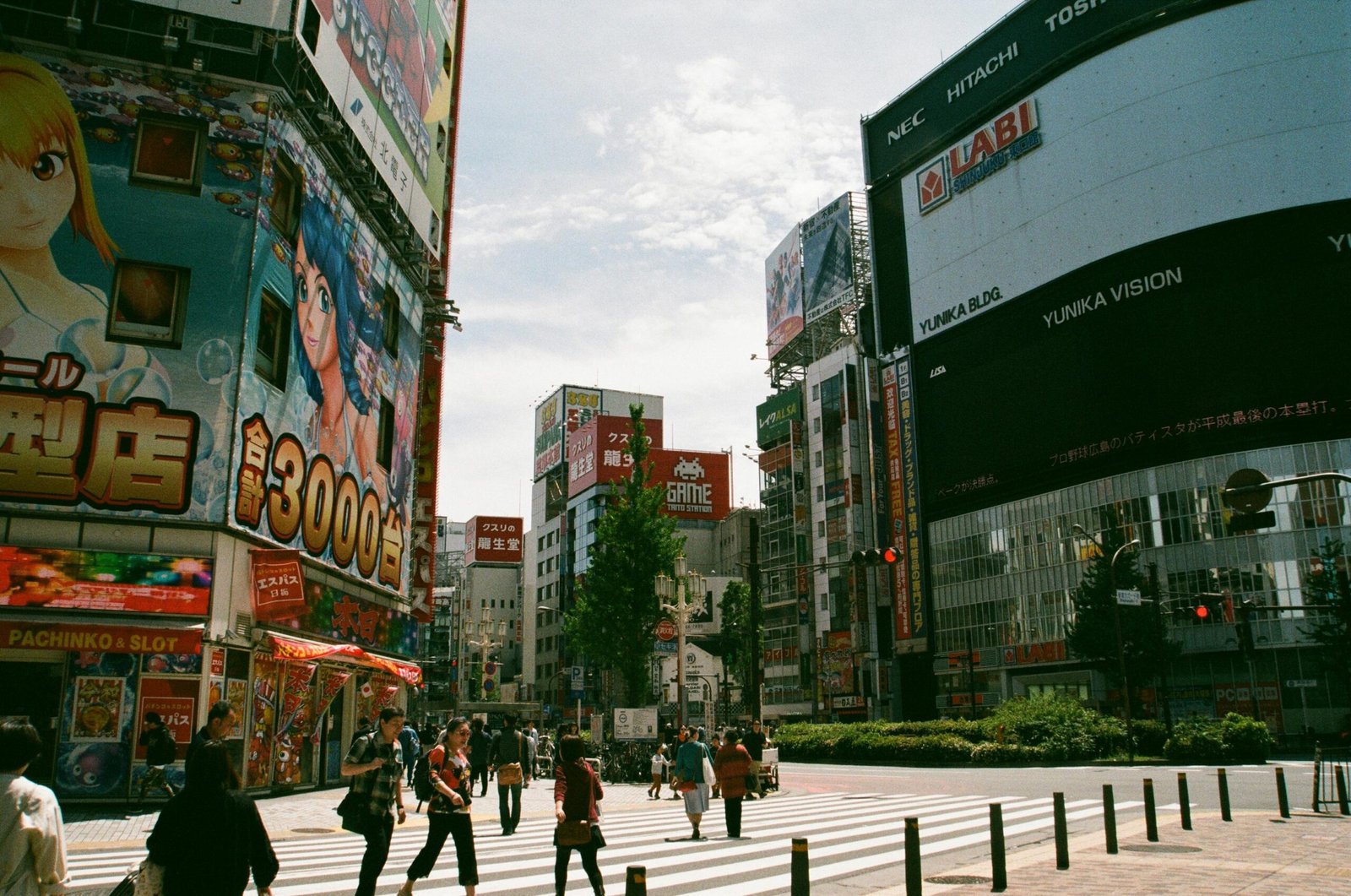
Choosing the best areas to stay in Tokyo Japan as a digital nomad comes down to three things: rail access (Tokyo’s neighborhoods are “close” only if you’re on the right line), reliable Wi‑Fi (in your hotel and nearby cafés), and a home base that matches your working style—quiet and residential, nightlife-forward, or hyper-central for meetings. Tokyo is safe, efficient, and wonderfully convenient, but the wrong neighborhood can add 30–60 minutes of commuting each day.
This guide breaks down the best areas to stay in Tokyo Japan for remote work, with practical pros/cons, vibe checks, and handpicked hotels that suit long-stay routines: laundry, desks, strong internet, and easy food options late at night.
A dependable, well-located Shinjuku hotel that prioritizes convenience—great if you want maximum mobility for meetings and exploring.
› BOOK NOWBest Areas to Stay in Tokyo Japan: Quick Overview
If you’re optimizing for work-life flow, use this quick neighborhood match:
- Most connected (fastest transfers): Shinjuku (JR + multiple subway lines) and Tokyo Station/Marunouchi (Shinkansen + business core).
- Creative, social, brand-meeting friendly: Shibuya (and adjacent Ebisu/Daikanyama).
- Business-first, polished, walkable: Ginza/Marunouchi (great for early meetings and premium comfort).
- Culture + budget balance: Asakusa/Ueno (temples, parks, easy access to north/east Tokyo).
- Local neighborhood feel: Shimokitazawa/Nakameguro (cafés, slower pace, boutique stays).
- International dining + upscale apartments: Roppongi/Azabu (English-friendly, expat convenience).
For more Japan trip-planning, you may also like: best hotels in Kyoto for first-timers and best hotels in Osaka near nightlife and transit.
A highly convenient Shibuya base for digital nomads who want to stay central and move fast across Tokyo.
› BOOK NOWShinjuku: Best Areas to Stay in Tokyo Japan for Connectivity
Shinjuku is the most practical pick if you want to minimize transit friction. With Shinjuku Station—one of the world’s busiest—your “commute” to meetings across Tokyo often becomes a single train. For digital nomads, that means fewer late arrivals, easier day trips, and a huge selection of cafés and quick meals.
Why digital nomads like Shinjuku
- Transit dominance: JR lines + Odakyu/Keio + Tokyo Metro and Toei connections.
- Work-friendly hotels: Business-class rooms with desks are common.
- Always-on neighborhood: Convenience stores, late-night food, and services (gyms, clinics, co-working) are easy to find.
Watch-outs
- Noise and crowds: Stay closer to Shinjuku Gyoen or West Shinjuku for a calmer base.
- Station complexity: Shinjuku Station can be confusing—factor in extra time the first few days.
Compare hotels on TravelStayMaps to find the best rates.
A luxury pick in central Tokyo for nomads who want seamless business comfort, quiet nights, and top-tier amenities.
› BOOK NOWShibuya: Best Areas to Stay in Tokyo Japan for Creative Energy
Shibuya is where Tokyo’s creative industries, street style, and tech-adjacent culture feel most concentrated. If you thrive on people-watching between work blocks—and want easy access to trendy cafés—Shibuya makes a strong nomad hub. It’s also ideal if your meetings skew toward startups, agencies, media, and brand work.
Why it works for remote work
- Café density: You’ll never run out of laptop-friendly spots (though some have time limits).
- Walkable adjacent areas: Ebisu, Daikanyama, and Omotesando are close for quieter working afternoons.
- Great for social rhythm: Easy to meet other travelers and creatives.
Watch-outs
- Rooms can be compact: Choose hotels known for business travelers if desk space matters.
- Peak crowd energy: Around the scramble and main streets, evenings get intense.
A modern Ueno base that suits nomads who want culture nearby and a comfortable, design-forward place to reset after work.
› BOOK NOWGinza & Tokyo Station: Best Areas to Stay in Tokyo Japan for Business
If your Tokyo plan includes frequent bullet train trips, early morning meetings, or a preference for polished, quiet streets, Ginza/Marunouchi (Tokyo Station area) is one of the best areas to stay in Tokyo Japan. Think wide sidewalks, premium hotels, and a “start early, finish smooth” atmosphere.
Why nomads choose this area
- Shinkansen access: Perfect for Kyoto/Osaka day trips or multi-city Japan routes.
- Reliable hotel standards: Strong Wi‑Fi, pro-level service, and quiet rooms are common.
- Walkable evenings: Classy dining, department stores, and waterfront strolls nearby.
Watch-outs
- Price: This is one of the most expensive bases in Tokyo.
- Less “late-night chaos”: Great for focus—less great if you want nightlife every night.
Planning a multi-city itinerary? Pair Tokyo with top hotels in Hong Kong for remote workers for another Asia hub.
Compare hotels on TravelStayMaps to find the best rates.
A well-placed Asakusa hotel for nomads who want a more traditional Tokyo atmosphere while keeping transit access straightforward.
› BOOK NOWAsakusa & Ueno: Best Areas to Stay in Tokyo Japan for Culture + Value
Asakusa and Ueno deliver a more traditional Tokyo feel with excellent value, especially compared to the west-side hubs. You’ll get temples, riverside walks, and huge parks—plus plenty of straightforward business hotels that suit longer stays.
Why it’s a smart nomad base
- Better nightly rates: Good for longer Tokyo stays without sacrificing safety or transit.
- Morning-friendly lifestyle: Parks, museums, and calmer streets help balance screen time.
- Easy airport access: Ueno is convenient for connections (especially toward Narita routes).
Watch-outs
- Commuting west: If most of your meetups are in Shibuya/Ebisu, expect more travel time.
- Less “buzz” at night: Great for rest; nightlife is more limited than Shinjuku/Shibuya.
A convenient Roppongi option for nomads who want international comfort, solid amenities, and easy access to central Tokyo.
› BOOK NOWShimokitazawa & Nakameguro: Best Areas to Stay in Tokyo Japan for Neighborhood Living
These areas are for digital nomads who want Tokyo to feel livable rather than overwhelming. Shimokitazawa brings vintage shops and small theaters; Nakameguro offers canal-side walks, design-forward cafés, and a calmer pace. You’ll trade some mega-station convenience for day-to-day happiness.
Why it’s ideal for longer stays
- “Regular life” vibe: Easier to form routines—cafés, groceries, and gym habits.
- Great midweek calm: Less sensory overload after long work sessions.
- Close to hot spots: Shibuya is still accessible without living inside the crowd.
Watch-outs
- Fewer big hotels: Inventory can be limited; book early in peak seasons.
- Transfers required: Some cross-city trips take an extra change.
Roppongi & Azabu: Best Areas to Stay in Tokyo Japan for International Comfort
Roppongi and Azabu are polished, international, and convenient—especially if you want English-friendly dining, upscale gyms, and globally recognized hotel brands. This is a good choice for nomads who value comfort, concierge support, and a “plug-and-play” stay.
Why it works
- International services: Easy reservations, support, and multilingual staff.
- Dining and nightlife: High-end restaurants and bars plus cosmopolitan energy.
- Premium rooms: Better odds of larger rooms and strong workspace setups.
Watch-outs
- Cost: Often pricey, especially for larger rooms.
- Less “Tokyo everyday”: Can feel expat-centric compared with other districts.
Compare hotels on TravelStayMaps to find the best rates.
Recommended Hotels for Digital Nomads (Shortlist)
Below are reliable picks across the best areas to stay in Tokyo Japan, chosen for nomad-friendly basics: strong transit access, solid Wi‑Fi reputations, workable desk space, and neighborhood convenience.
- Shinjuku: Park Hyatt Tokyo; Hotel Sunroute Plaza Shinjuku
- Shibuya: Shibuya Excel Hotel Tokyu
- Ginza/Tokyo Station: The Peninsula Tokyo
- Ueno: NOHGA HOTEL UENO TOKYO
- Asakusa: The Gate Hotel Asakusa Kaminarimon by HULIC
- Roppongi: Candeo Hotels Tokyo Roppongi
Practical Tips for Digital Nomads in Tokyo
Pick your “anchor line” before you book
Tokyo is a rail city. The best areas to stay in Tokyo Japan are often the ones that align with your daily routes. If you expect frequent meetings in Shibuya and central Tokyo, staying on the west side (Shinjuku/Shibuya) saves time. If you’re taking Shinkansen often, Tokyo Station/Marunouchi is unbeatable.
Expect compact rooms—upgrade for comfort
If you’re working from your room, prioritize a hotel with a real desk (not a tiny side table). Even a small room works if the chair, lighting, and Wi‑Fi are consistent.
Wi‑Fi reality check
Tokyo generally has excellent internet, but hotel Wi‑Fi can vary by building age and floor location. If you have calls daily, shortlist newer business hotels or premium properties, and consider a pocket Wi‑Fi or eSIM backup.
Long-stay conveniences matter
- Laundry: Coin laundry in-hotel or nearby saves time and money.
- Late food: Convenience stores are great, but it helps to have late-night restaurants close.
- Noise insulation: Especially in Shinjuku/Shibuya—ask for a higher floor.
FAQs: Best Areas to Stay in Tokyo Japan
- What are the best areas to stay in Tokyo Japan for first-time digital nomads?
Shinjuku and Shibuya are the easiest for a first Tokyo stay: excellent transit, lots of food options, and plenty of hotels that understand business travelers.
- Where should I stay in Tokyo for the fastest transportation?
Shinjuku is the most flexible for cross-city trips; Tokyo Station/Marunouchi is best if you’ll use Shinkansen often.
- Which area is best for quieter nights and better sleep?
Ginza/Marunouchi is typically calm at night, while Nakameguro offers a neighborhood feel with less late-night noise than central hubs.
- Is Asakusa or Ueno a good base for remote work?
Yes—especially if you want better value and a calmer pace. Expect longer commutes to Shibuya-side meetups, but you’ll get parks, culture, and solid business hotels.
- How long should I stay in Tokyo as a digital nomad?
A week is enough to learn the train system and explore key neighborhoods, but 2–4 weeks is ideal for building routines and testing different work spots.
- Do I need to stay near a coworking space?
Not necessarily. Tokyo has many cafés and hotel lounges, but if you need consistent calls and monitors, staying near Shibuya/Shinjuku/central business districts makes coworking access easier.
Recommended Hotels
📍 Shinjuku (Nishi-Shinjuku)
A top-tier Shinjuku option for nomads who want a calm, polished workspace vibe with easy access to the city via nearby lines.
👍 Pros
- + Quiet, premium base with strong business-traveler comfort
- + Great for deep work and recovery days
- + Excellent service and sound insulation (generally)
👎 Cons
- – High price point
- – Not the closest walk to the busiest parts of Shinjuku
📍 Shinjuku
A dependable, well-located Shinjuku hotel that prioritizes convenience—great if you want maximum mobility for meetings and exploring.
👍 Pros
- + Excellent location for transit and airport transfers
- + Good value for Shinjuku
- + Practical base for short-to-medium stays
👎 Cons
- – Rooms can feel compact
- – Busy area can be noisy on lower floors
📍 Shibuya
A highly convenient Shibuya base for digital nomads who want to stay central and move fast across Tokyo.
👍 Pros
- + Directly connected to Shibuya Station for easy commuting
- + Perfect for nomads who want Shibuya energy at the doorstep
- + Convenient for day-to-day errands and dining
👎 Cons
- – Crowded surroundings at peak times
- – Room sizes vary and may be tight for long workdays
📍 Ginza / Marunouchi (near Hibiya)
A luxury pick in central Tokyo for nomads who want seamless business comfort, quiet nights, and top-tier amenities.
👍 Pros
- + Polished business location near central Tokyo
- + Excellent comfort for calls and in-room work
- + Strong dining and service standards
👎 Cons
- – Premium pricing
- – More business-oriented vibe than “neighborhood Tokyo”
📍 Ueno
A modern Ueno base that suits nomads who want culture nearby and a comfortable, design-forward place to reset after work.
👍 Pros
- + Great balance of design and practicality
- + Good access to parks and museums for breaks
- + Solid value compared with west-side hotspots
👎 Cons
- – Not as central for Shibuya-side meetings
- – Availability can be tight in peak seasons
📍 Asakusa
A well-placed Asakusa hotel for nomads who want a more traditional Tokyo atmosphere while keeping transit access straightforward.
👍 Pros
- + Excellent Asakusa location near classic sights
- + Good option for a calmer, scenic base
- + Strong value for the experience
👎 Cons
- – Commutes to west Tokyo can take longer
- – Area is busier during peak sightseeing hours
📍 Roppongi
A convenient Roppongi option for nomads who want international comfort, solid amenities, and easy access to central Tokyo.
👍 Pros
- + Comfort-forward stay with a strong reset factor
- + International area with easy dining options
- + Good for mixing workdays with nightlife
👎 Cons
- – Roppongi can be lively late at night
- – Pricing fluctuates significantly by season
Frequently Asked Questions
What are the best areas to stay in Tokyo Japan for digital nomads?
Shinjuku (connectivity), Shibuya (creative/café culture), Ginza/Marunouchi (business and quiet), and Asakusa/Ueno (value and culture) are top choices depending on your work style.
Which Tokyo area is best if I’m working remotely and taking lots of trains?
Shinjuku is one of the best-connected hubs for daily cross-city travel, while Tokyo Station/Marunouchi is best if Shinkansen trips are frequent.
Where should I stay in Tokyo for a quieter, more local vibe?
Nakameguro and Shimokitazawa are great for a neighborhood feel with cafés, boutiques, and calmer evenings compared with major hubs.
Is it better to stay in Shibuya or Shinjuku?
Choose Shibuya if you want creative energy, trendy cafés, and social life nearby. Choose Shinjuku if you want maximum transit flexibility and a more practical base for moving around Tokyo.
Are hotels in Tokyo good for working from the room?
Many Tokyo business hotels have functional desks and reliable Wi‑Fi, but rooms can be compact. If you work long hours from your room, prioritize properties known for business travelers or higher-category rooms.
What’s the best area to stay in Tokyo Japan on a mid-range budget?
Ueno and Asakusa often provide better value than Shibuya/Ginza while still offering good transit links, plenty of food options, and comfortable business-style hotels.
