

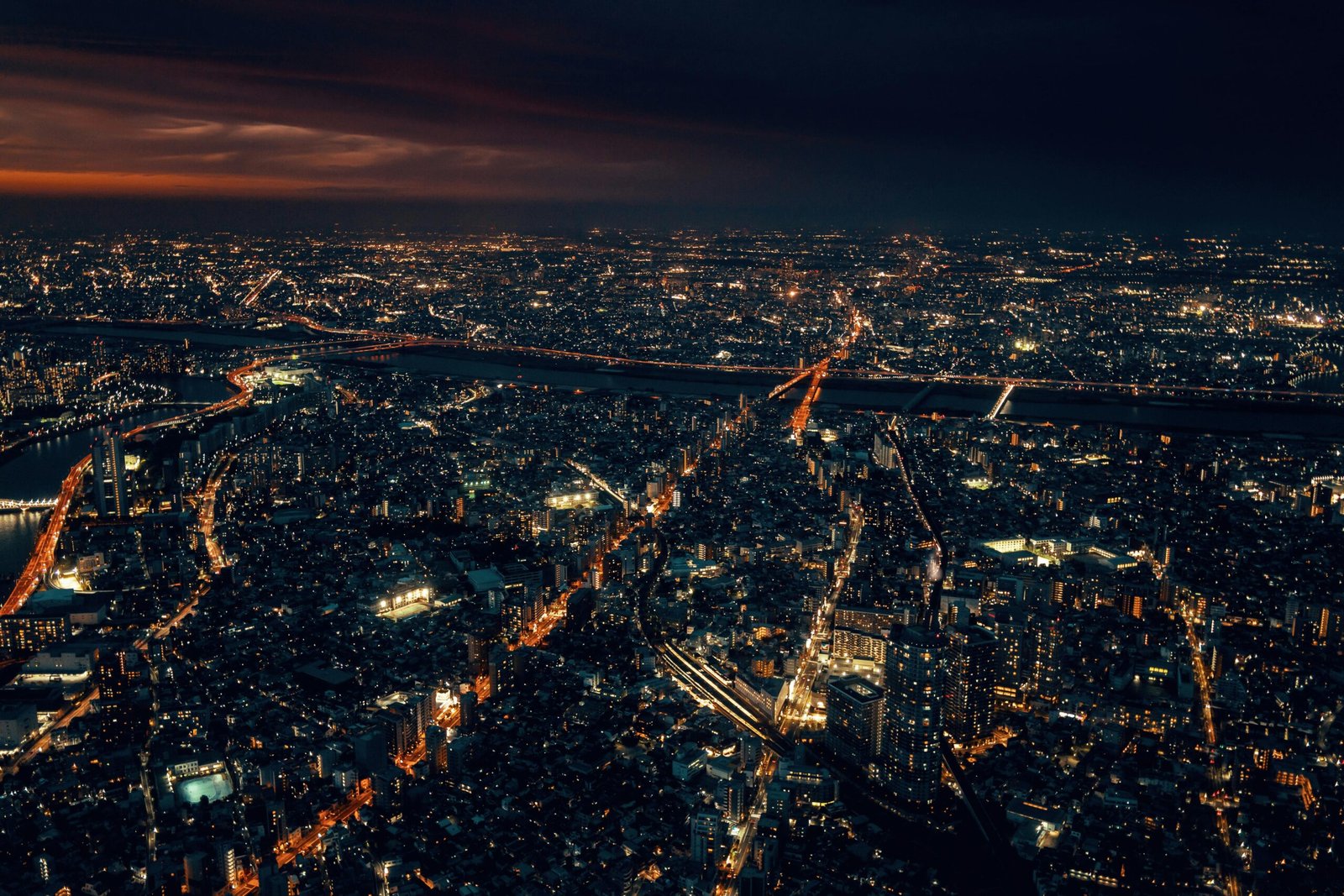
Choosing where to stay in Tokyo can feel overwhelming—this is one of the world’s largest cities, with dozens of “downtowns,” each with its own vibe. The good news: Tokyo is exceptionally easy to navigate thanks to its rail network, so you don’t need to stay in one specific center to have a great trip. What matters most is picking a neighborhood that matches your priorities—food, nightlife, shopping, traditional sights, family convenience, or a quiet base—and staying within easy walking distance of a major station.
This guide breaks down the best areas to stay in Tokyo, with practical transport advice, budget tips, and hotel recommendations you can book confidently. Want to compare prices and locations quickly? View all hotels on the map (Stay22 embed placeholder) to see what’s available near the stations and neighborhoods mentioned below.
Quick pick: best areas to stay in Tokyo
- Shinjuku: Best all-around base for first-timers, transport connections, and nightlife.
- Shibuya: Trendy, energetic, great for shopping, food, and easy access to west Tokyo.
- Ginza / Tokyo Station: Polished, central, best for luxury, shopping, and day trips on the Shinkansen.
- Asakusa: Traditional atmosphere, great value hotels, close to historic sights.
- Ueno: Museums, parks, budget-friendly stays, excellent rail access (including to Narita).
- Roppongi / Akasaka: International dining, nightlife, and business-friendly hotels.
- Odaiba / Tokyo Bay: Spacious hotels and family-friendly attractions, more resort-like.
How to choose where to stay in Tokyo (practical tips)
Prioritize rail access over a “central” address
Tokyo doesn’t have one single city center. A hotel that’s 5–10 minutes’ walk from a major station (JR Yamanote Line, Tokyo Metro, or Toei Subway) will save you time and energy. If two hotels are similar, pick the one closer to the station—even a small difference matters after 25,000 steps.
Understand the key lines (so you move around efficiently)
- JR Yamanote Line: The loop line connecting major hubs like Shinjuku, Shibuya, Tokyo Station, Ueno, and Ikebukuro.
- Tokyo Metro + Toei Subway: Dense coverage for neighborhoods and attractions; often faster than JR for short hops.
- Airport access: Narita Express (N’EX) to Tokyo/Shinjuku/Shibuya; Keisei Skyliner to Ueno/Nippori; Haneda via Tokyo Monorail (Hamamatsucho) or Keikyu line.
Budget reality check (Tokyo can be great value)
Tokyo has excellent mid-range and budget hotels, but prices swing hard during cherry blossom season (late March–early April), Golden Week (late April–early May), and autumn foliage (Nov). If you’re traveling in peak periods, book early and consider neighborhoods like Ueno, Asakusa, or Ikebukuro for better deals.
Plan for room size
Many Tokyo rooms are compact, especially in business hotels. If you have large luggage, look for “twin” rooms, “moderate double,” or brands known for slightly larger layouts. Laundry machines, luggage storage, and a good shower often matter more than a big room.
Best neighborhoods: where to stay in Tokyo
Shinjuku: best for first-timers, transport, and nightlife
Shinjuku is a classic base because it’s one of Tokyo’s biggest transport hubs. From Shinjuku Station you can reach almost anywhere quickly, plus it’s convenient for day trips (Mt. Takao, Nikko connections via Asakusa, Hakone via Odakyu from nearby).
Why stay here
- Unmatched connectivity: JR, Metro, private rail lines—ideal if you want flexibility.
- Food and nightlife: Izakayas, department store food halls, and late-night options.
- Shopping: Electronics, fashion, and huge station complexes.
Good to know
- Shinjuku Station is enormous; choose a hotel with clear directions and a nearby exit (Nishi-Shinjuku, South Exit, or East side depending on your plans).
- If you’re noise-sensitive, avoid being directly on big arteries near Kabukicho—pick a side street or West Shinjuku.
Shibuya: best for trend, shopping, and city energy
Shibuya is Tokyo’s youth-and-pop-culture capital—busy, stylish, and incredibly convenient. You’re close to Harajuku/Meiji Jingu, Omotesando, Daikanyama, and easy rides to Shinjuku and Roppongi.
Why stay here
- Walkable neighborhoods: Great café culture and dining density.
- Great for short trips: If you only have 3–4 days, Shibuya keeps you in the action.
- Modern hotels: Plenty of sleek, design-forward options.
Good to know
- Shibuya can be loud and crowded; for quieter nights, consider Ebisu or Daikanyama nearby.
- Station construction has improved, but allow extra time to navigate exits and crossings.
Ginza & Tokyo Station/Marunouchi: best for luxury, shopping, and Shinkansen access
For a polished, central stay, look at Ginza, Marunouchi, and the Tokyo Station area. This is ideal if you’re combining Tokyo with Kyoto/Osaka or other cities via the Shinkansen, or if you want upscale shopping, refined dining, and an easy-to-navigate base.
Why stay here
- Superb transport: Tokyo Station connects you to everywhere.
- Upscale experience: High-end department stores and excellent restaurants.
- Walkable to sights: Imperial Palace gardens and waterfront strolls.
Good to know
- Hotels here are often pricier; consider nearby areas like Nihonbashi or Kyobashi for slightly better value.
Asakusa: best for traditional Tokyo and value stays
Asakusa delivers old-Tokyo charm around Senso-ji Temple, lantern-lined streets, and riverside walks. It’s popular with first-time visitors who want a more traditional atmosphere and often offers better value than west Tokyo.
Why stay here
- Culture and atmosphere: Early morning temple visits before crowds are a highlight.
- Good-value hotels: Especially mid-range and budget options.
- Easy connections: Direct subway routes to Ginza, Ueno, and Akihabara; good access to Skytree.
Good to know
- Nights are calmer than Shinjuku/Shibuya—great if you want quieter evenings.
Ueno: best for museums, parks, and budget-friendly stays
Ueno is a practical, well-connected base with Ueno Park’s museums, Ameya-Yokocho market street, and fast airport access. If you’re watching costs but still want excellent transport, Ueno is one of Tokyo’s smartest choices.
Why stay here
- Value: Strong selection of business hotels and affordable options.
- Culture: Museums and seasonal cherry blossoms in Ueno Park.
- Access: Skyliner from Narita; Shinkansen from nearby stations for northern Japan.
Good to know
- It’s not as “glam” as Ginza or as trendy as Shibuya—but it’s efficient and convenient.
Roppongi & Akasaka: best for nightlife, international dining, and business
Roppongi and nearby Akasaka are central and well-placed for travelers who like a cosmopolitan vibe—international restaurants, rooftop bars, and easy access to multiple subway lines. Roppongi also has excellent contemporary art museums.
Why stay here
- Central location: Quick rides to Shibuya, Ginza, and Tokyo Station.
- Dining variety: From casual ramen to high-end omakase.
- Great for couples: Especially if you’re planning evenings out.
Good to know
- Nightlife can be rowdy in pockets; choose hotels slightly off the busiest streets if you want peace.
Odaiba/Tokyo Bay: best for families and spacious hotels
If you want a more resort-like stay with wider rooms, waterfront views, and family attractions, consider Odaiba or the broader Tokyo Bay area. You’ll be farther from some classic neighborhoods, but the setting can be a relaxing break from the city’s intensity.
Why stay here
- More space: Hotels often feel larger and more comfortable.
- Family-friendly attractions: TeamLab Planets (nearby), malls, waterfront parks.
- Views: Rainbow Bridge and skyline panoramas.
Good to know
- Factor in commuting time; you’ll rely on the Yurikamome Line and transfers.
Recommended hotels in Tokyo (handpicked)
Below are reliable hotel picks across the best neighborhoods. For the widest choice by exact location and budget, View all hotels on the map (Stay22 embed placeholder) and zoom in around your preferred station.
Neighborhood-by-neighborhood booking tips
- Shinjuku/Shibuya: Book early for weekends; rooms sell out fast.
- Asakusa/Ueno: Great value, but check walking distance to the nearest subway/JR station.
- Ginza/Tokyo Station: Ideal if you’re taking the Shinkansen—minimize transfers on travel days.
Budget tips for staying in Tokyo
- Stay slightly outside the hottest hubs: Consider Ueno, Asakusa, Ikebukuro, or Shinagawa for better rates while staying well connected.
- Use convenience stores smartly: Lawson/FamilyMart/7-Eleven have surprisingly good breakfasts and snacks, saving money on café stops.
- Choose hotels with laundry: Many business hotels have coin laundry—pack lighter and reduce baggage fees.
- Watch weekend pricing: Business areas can be cheaper on weekends; leisure areas can be pricier.
- Consider room type: Twin rooms sometimes offer more space for a small price difference compared to doubles.
Transportation advice: getting around from your hotel
IC cards are essential
Get a rechargeable IC card (Suica/PASMO) and tap in/out on trains and buses. It saves time and makes transfers painless.
Airport transfers (quick guidance)
- From Narita (NRT): Keisei Skyliner to Ueno/Nippori is fast; Narita Express (N’EX) is convenient for Tokyo Station, Shinjuku, and Shibuya.
- From Haneda (HND): Tokyo Monorail to Hamamatsucho (then JR), or Keikyu Line toward Shinagawa and beyond.
Taxi vs train
Taxis are safe and clean but expensive—best for late-night returns, short hops with luggage, or when you’re traveling as a group of 3–4. Otherwise, trains will be faster and cheaper.
Conclusion: the best place to stay in Tokyo depends on your travel style
If you want the most convenient base with endless options, Shinjuku is hard to beat. For trend, dining, and shopping, choose Shibuya. For classic sights and value, go with Asakusa or Ueno. And if your trip includes bullet trains and upscale stays, Ginza/Tokyo Station is a smart, central choice. Wherever you stay, prioritize being near a station and you’ll unlock Tokyo’s best experiences with minimal stress.
Ready to book? View all hotels on the map (Stay22 embed placeholder) to compare prices, see exact walking distances to stations, and find the best deal in your preferred neighborhood.
Recommended Hotels
Park Hotel Tokyo
Area: Shiodome (near Ginza)
Rating: ★★★★☆ | Price: $$$
A sleek, art-forward hotel in Shiodome with fast access to Ginza, Tokyo Station, and the waterfront. A strong pick for travelers who want comfort, views, and convenience without jumping to ultra-luxury pricing.
Amenities: Free WiFi, Restaurant, Bar, 24-hour front desk, Air conditioning
Pros:
- Easy access to Ginza and multiple train lines
- Stylish rooms with city views
- Great value for an upscale-feeling stay
Cons:
- Some rooms are compact
- Area can feel business-like at night
Hotel Gracery Shinjuku
Area: Shinjuku (Kabukicho)
Rating: ★★★★☆ | Price: $$$
Right in the action, this modern hotel is ideal if you want Shinjuku’s energy, late-night dining, and easy rail connections. Best for travelers who plan to explore a lot and don’t mind the buzz outside.
Amenities: Free WiFi, Restaurant, 24-hour front desk, Air conditioning, Luggage storage
Pros:
- Iconic location in the heart of Shinjuku
- Excellent transport access via Shinjuku Station
- Fun Tokyo experience (Godzilla theme)
Cons:
- Busy nightlife area can be noisy
- Rooms are on the smaller side
Shibuya Excel Hotel Tokyu
Area: Shibuya
Rating: ★★★★☆ | Price: $$$
If you want to stay in the most connected part of Shibuya, this is one of the most practical choices. It’s especially convenient for short trips where you want minimal transit friction and maximum neighborhood energy.
Amenities: Free WiFi, Restaurant, 24-hour front desk, Air conditioning, Laundry service
Pros:
- Directly connected to Shibuya Station for maximum convenience
- Great base for shopping and nightlife
- Many rooms offer famous crossing/city views
Cons:
- Higher rates due to location
- Crowded station area at peak times
The Gate Hotel Asakusa Kaminarimon by HULIC
Area: Asakusa
Rating: ★★★★☆ | Price: $$$
A top Asakusa pick with a prime location for early temple visits and easy access to the rest of Tokyo. Ideal for travelers who want traditional atmosphere with a modern, comfortable hotel base.
Amenities: Free WiFi, Restaurant, Bar, Terrace, 24-hour front desk
Pros:
- Fantastic location near Senso-ji and the Asakusa subway lines
- Rooftop/terrace atmosphere with Skytree views
- Great blend of comfort and local vibe
Cons:
- Can book out early in peak seasons
- Limited on-site facilities compared to larger hotels
Mitsui Garden Hotel Ueno
Area: Ueno
Rating: ★★★★☆ | Price: $$
A reliable, well-located Ueno hotel that suits budget-minded travelers who still want comfort and convenience. Perfect if you’re planning museum days, market strolls, or early departures.
Amenities: Free WiFi, Restaurant, 24-hour front desk, Air conditioning, Coin laundry
Pros:
- Very convenient for Ueno Station and airport access
- Strong value for the location
- Great base for museums and day trips
Cons:
- Rooms are compact (typical business-hotel sizing)
- Limited social/common areas
The Ritz-Carlton, Tokyo
Area: Roppongi (Tokyo Midtown)
Rating: ★★★★★ | Price: $$$$$
For a special-occasion stay, this is one of Tokyo’s standout luxury hotels with iconic views and top-tier service. Ideal for couples and travelers who want a refined base with easy access to Roppongi’s art and dining scene.
Amenities: Free WiFi, Spa, Pool, Fitness center, Multiple restaurants, Bar, Concierge
Pros:
- Exceptional service and skyline views
- Central base near museums and dining
- Luxury facilities including spa and pool
Cons:
- Premium pricing
- Not the best choice if you want a traditional neighborhood feel
Hilton Tokyo Bay
Area: Tokyo Bay (near Maihama)
Rating: ★★★★☆ | Price: $$$
A comfortable Tokyo Bay option with larger rooms and family-friendly amenities. Best for travelers prioritizing space, a quieter setting, or theme-park plans, while still having rail links into the city.
Amenities: Free WiFi, Pool, Fitness center, Multiple restaurants, Family rooms, Shuttle service
Pros:
- Spacious rooms compared to central Tokyo
- Family-friendly facilities
- Great for Tokyo Disney Resort visits
Cons:
- Farther from central Tokyo sights
- Commute time adds up if sightseeing across the city
Frequently Asked Questions
What is the best area to stay in Tokyo for first-time visitors?
Shinjuku is one of the best all-around choices for first-timers because it’s a major transport hub with fast connections across Tokyo, tons of restaurants, and plenty to do at night. If you prefer a slightly more stylish, shopping-focused base, Shibuya is another excellent first-timer neighborhood.
Where should I stay in Tokyo for easy transportation?
Look for hotels within a short walk of major stations on the JR Yamanote Line or key subway intersections. Shinjuku, Tokyo Station/Marunouchi, Ueno, and Shinagawa are especially convenient. Being close to the station entrance matters more than being in a “central” district.
Is it better to stay in Shinjuku or Shibuya?
Choose Shinjuku if you want the best rail connectivity and a classic big-city base with endless dining and nightlife options. Choose Shibuya if you want a trendier scene, great shopping, and easy access to Harajuku, Omotesando, and west Tokyo neighborhoods like Ebisu and Daikanyama.
Where to stay in Tokyo on a budget?
Ueno and Asakusa are two of the smartest areas for budget travelers: they’re well connected, packed with affordable hotels, and still close to major sights. Business hotels near stations often offer excellent value, and choosing a property with coin laundry can reduce packing and extra costs.
What’s the best area to stay in Tokyo for traditional sights and atmosphere?
Asakusa is the go-to for a traditional feel, thanks to Senso-ji Temple, historic streets, and riverside walks. It’s quieter at night than Shinjuku or Shibuya, which many travelers appreciate after a full day of sightseeing.
Which Tokyo area is best for families?
Odaiba/Tokyo Bay areas tend to have larger rooms and a more relaxed, family-friendly vibe, with malls and waterfront attractions. If you want to be more central while still keeping logistics easy, consider Ueno for parks, museums, and straightforward transport.
How many nights should I stay in Tokyo and where should I base myself?
For a first visit, 4–6 nights is a comfortable minimum to see major neighborhoods without rushing. A single base in Shinjuku, Shibuya, or Ginza/Tokyo Station works well; you can day-trip across the city easily. If you’re staying longer, consider splitting between west Tokyo (Shinjuku/Shibuya) and east Tokyo (Asakusa/Ueno) for a different pace.
