

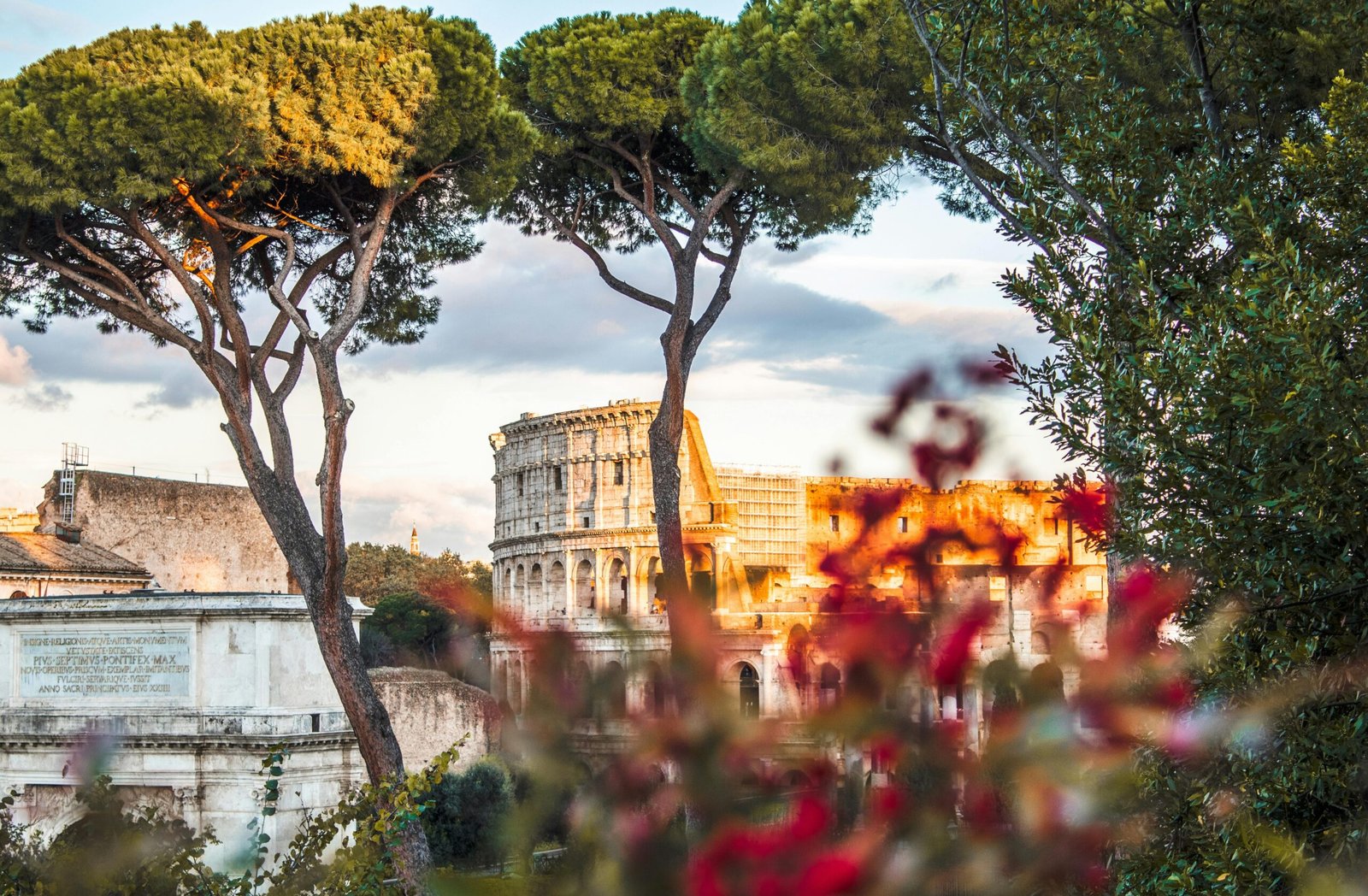
Choosing where to stay in Rome can make your first trip dramatically easier (or harder). Rome is a city of walkable historic districts, big boulevards, and small cobbled lanes—plus a few sprawling areas where distances add up fast. The best place to stay depends on how you like to travel: do you want to walk everywhere, be close to Termini station for day trips, or sleep in a quieter neighborhood after busy sightseeing?
This guide is designed for first-time visitors who want an easy, efficient base with great access to Rome’s headline sights: the Colosseum, Roman Forum, Pantheon, Trevi Fountain, Spanish Steps, Vatican Museums, and Trastevere’s nightlife. Below you’ll find the best neighborhoods to stay, what each area feels like, who it’s best for, and practical tips on getting around—plus hotel recommendations for a range of budgets.
View all hotels on the map to compare locations and prices (especially useful in Rome, where being on the “right” side of the river or near the right metro line can save you hours).
Quick picks: best areas to stay in Rome for first-time visitors
- Centro Storico (Historic Center): Most walkable for major sights, charming streets, best “Rome postcard” vibe.
- Campo de’ Fiori & Piazza Navona: Central, lively evenings, great food—ideal for first timers who want atmosphere.
- Trevi / Spanish Steps: Ultra-convenient for sightseeing and shopping; can be busy and pricier.
- Monti (near the Colosseum): Trendy, local feel, excellent for Rome’s ancient sites.
- Prati (near the Vatican): Polished, safe, quieter at night; great for Vatican early starts.
- Trastevere: Romantic, bohemian, best nightlife; slightly less convenient for early-morning sightseeing.
- Termini / Esquilino: Best transport hub and value for money; choose carefully street-by-street.
Centro Storico (Historic Center): the easiest base for first-time sightseeing
If you’re only in Rome for a few days and want maximum “wow” with minimum transit, staying in Centro Storico is the simplest answer to where to stay in Rome. You’ll be within a short stroll of the Pantheon, Piazza Navona, Campo de’ Fiori, and often even Trevi Fountain and the Spanish Steps. Many streets are pedestrian-friendly, and you can dip back to your hotel for a rest—crucial in Rome’s summer heat.
Best for: first-timers, short stays (2–5 days), travelers who want to walk everywhere.
Watch out for: higher prices, older buildings with small elevators, street noise in nightlife pockets.
Local tips
- Early mornings are magical here—visit the Pantheon and Trevi before the crowds.
- Ask your hotel if rooms are street-facing; a courtyard room can be much quieter.
Trevi & Spanish Steps: convenience and classic Rome (with crowds)
The Trevi/Spanish Steps area is one of the most convenient places to stay in Rome for first-time visitors because you’re close to major sights and many tour pickup points. It’s also the heart of Rome’s shopping scene (Via del Corso, Via Condotti) and has a dense concentration of hotels. If you want to step outside and immediately feel immersed in “Rome,” this is it.
Best for: travelers who prioritize centrality, shoppers, people who want short walks to iconic landmarks.
Watch out for: crowds from morning until late, higher restaurant prices near the biggest attractions.
Local tips
- Eat a few blocks away from Trevi to avoid tourist menus; your wallet will thank you.
- Rome is hilly around the Spanish Steps—pack comfortable shoes and plan breaks.
Monti (Colosseum area): stylish, walkable, and great for ancient Rome
Monti is a favorite for first-timers who want to be close to the Colosseum and Roman Forum while still having neighborhood charm. It’s one of Rome’s oldest quarters, now filled with wine bars, small restaurants, and boutiques. You can walk to the Colosseum in minutes, and you’ll also have easy access to the Metro (Line B at Colosseo or Cavour), which helps for longer hops.
Best for: couples, foodies, travelers who want a local-meets-central vibe, early access to the Colosseum area.
Watch out for: some streets are steep; hotel rooms can be compact in historic buildings.
Local tips
- Book Colosseum/Forum tickets in advance and aim for early entry to avoid midday heat.
- Monti is excellent for dinner; it’s often better value than the immediate Colosseum perimeter.
Prati (Vatican area): clean, calm, and practical for Vatican visits
Across the Tiber from the historic center, Prati is a well-planned, elegant neighborhood near the Vatican Museums and St. Peter’s Basilica. It’s more residential and generally quieter at night than the historic center. Streets are wider, buildings are often newer by Rome standards, and you’ll find good mid-range hotels.
Best for: families, travelers who want calmer evenings, Vatican-focused itineraries, repeat visitors who’ve already stayed in Centro Storico.
Watch out for: slightly longer walks to the Pantheon/Trevi (still doable) or rely on metro/bus.
Local tips
- For the Vatican Museums, staying in Prati means you can arrive before tour buses roll in.
- Use Ottaviano (Metro A) to reach Spanish Steps (Spagna) and Termini quickly.
Trastevere: romance, nightlife, and the “old Rome” feel
Trastevere is one of Rome’s most atmospheric neighborhoods, with ivy-draped streets, small piazzas, and a lively evening scene. It’s perfect if you imagine finishing sightseeing, then settling into aperitivo and dinner without needing transport. For first-timers, it’s a fantastic choice if you don’t mind a bit more transit for some daytime attractions.
Best for: nightlife lovers, couples, food-focused travelers, those who want a neighborhood vibe.
Watch out for: noisy nights in the busiest lanes; fewer metro options (you’ll often use trams/buses or walk).
Local tips
- Pick a hotel on a quieter side street if you’re a light sleeper.
- From Trastevere, walking to Campo de’ Fiori and the Pantheon is scenic—just allow extra time.
Termini & Esquilino: best transport and often the best value
If you’re arriving by train, planning day trips (Florence, Naples, Pompeii), or want to save money, staying near Roma Termini can be a smart move. Termini is Rome’s main rail hub, with both Metro lines (A and B), airport transfers, and countless bus routes. The area is improving, but it’s still more mixed than the historic center—so hotel selection matters.
Best for: budget travelers, short stays with lots of train travel, early flights, convenience-focused itineraries.
Watch out for: some streets feel gritty at night; prioritize well-reviewed hotels and good lighting near your route.
Local tips
- For a calmer feel, look slightly away from the station toward Via Nazionale or the edge of Monti.
- Use the Leonardo Express (Fiumicino) or regional train (Ciampino via Termini) to simplify airport transfers.
How to choose where to stay in Rome (simple decision guide)
- If you want to walk to most sights: Centro Storico, Trevi, Piazza Navona/Campo de’ Fiori.
- If the Colosseum is your top priority: Monti.
- If the Vatican is your top priority: Prati.
- If you want nightlife and neighborhood charm: Trastevere.
- If you’re on a tighter budget or doing day trips: Termini (choose carefully).
Wherever you stay, use the map view to confirm walking times and transit connections. View all hotels on the map to spot the best value blocks—Rome prices can change dramatically from one street to the next.
Transportation advice for first-time visitors
Walking is the default
Rome rewards walking. Many top sights are close together, especially in the historic center. Expect cobblestones and uneven paving; supportive shoes are essential.
Metro: limited but useful
Rome’s Metro is simple: Line A (Vatican/Prati to Spanish Steps to Termini) and Line B (Colosseum to Termini) are the most useful for visitors. The historic center itself has fewer metro stops due to archaeology, so you’ll often combine walking with buses/trams.
Buses and trams: handy, sometimes slow
Buses reach areas the metro doesn’t, but traffic can slow them down. If timing matters (like a timed entry ticket), leave early or take a taxi.
Taxis and ride-hailing
Use official white taxis, ideally from taxi stands. If you hail one, confirm the meter is on. Ride-hailing exists but availability varies; taxis are often easiest for point-to-point trips, especially early morning.
Airport transfers
- Fiumicino (FCO): Leonardo Express to Termini is the most straightforward; taxis have a fixed fare to central Rome (confirm current rates).
- Ciampino (CIA): bus transfers to Termini are common; taxis also available.
Budget tips: how to save money on your Rome stay
- Stay slightly outside the core: Prati and Monti often offer better value than Trevi/Pantheon blocks while staying highly convenient.
- Travel in shoulder season: March–May and late September–November typically bring better hotel deals and nicer walking weather.
- Prioritize location over luxury: a simpler hotel in Centro Storico can save you taxi fares and hours of transit.
- Check city tax: Rome charges a per-person, per-night tourist tax (varies by hotel category). Factor it into your budget.
- Choose breakfast wisely: hotel breakfast can be pricey; a cappuccino and cornetto at a bar is often cheaper and very Roman.
Hotel recommendations: best places to stay in Rome
The following picks are well-located for first-time visitors and cover a range of styles and budgets. Prices fluctuate heavily by season and events—use the map to compare options by exact street. View all hotels on the map to quickly see what’s available in your dates.
Conclusion: the best area to stay in Rome for first-timers
For most first-time visitors, Centro Storico is the easiest answer to where to stay in Rome—you’ll spend more time enjoying the city and less time commuting. If you want a trendier base near ancient sights, choose Monti. For a calmer stay near the Vatican, choose Prati. And if your dream is evenings in buzzing piazzas and trattorias, Trastevere is hard to beat.
Once you’ve picked your neighborhood, compare exact locations and walking times. View all hotels on the map to find the best-value streets and the most convenient base for your itinerary.
Recommended Hotels
Hotel Nazionale
📍 Centro Storico (Pantheon / Piazza Montecitorio)
A dependable, well-located historic-center hotel that puts you in easy walking distance of the Pantheon, Trevi, and Piazza Navona. Ideal if you want to minimize transport and maximize time in the heart of Rome.
👍 Pros
- + Prime historic-center location for walking to major sights
- + Reliable comfort level for first-time visitors
- + Great base for early-morning sightseeing
👎 Cons
- – Can be pricey in peak season
- – Some rooms feel classic rather than modern
Hotel Artemide
📍 Via Nazionale (near Termini / Monti edge)
One of the most popular upscale picks near Via Nazionale, balancing walkability with easy transport connections. A smart choice for first-timers who want comfort, amenities, and simple logistics.
👍 Pros
- + Excellent value for a high-comfort stay
- + Convenient for Termini, Monti, and the historic center
- + Strong guest reviews and service reputation
👎 Cons
- – Busy road location (ask for quieter rooms)
- – Not in the most charming lane for doorstep atmosphere
Nerva Boutique Hotel
📍 Monti (Roman Forum / Colosseum)
A charming boutique option in Monti for travelers who want to be close to the Colosseum and Forum without sacrificing neighborhood character. Ideal for couples and first-time visitors planning early entries to nearby sites.
👍 Pros
- + Steps from the Roman Forum area
- + Boutique feel with a quieter, local atmosphere
- + Great base for ancient Rome sightseeing
👎 Cons
- – Smaller rooms typical of boutique properties
- – Limited facilities compared with large hotels
UNAHOTELS Decò Roma
📍 Termini
A strong choice near Termini for first-timers prioritizing logistics, day trips, and value. It’s especially convenient if you’re arriving late, leaving early, or planning multiple train journeys.
👍 Pros
- + Excellent transport connections for day trips and airports
- + Good value for a 4-star near the station
- + Practical, comfortable rooms
👎 Cons
- – Area is less atmospheric than the historic center
- – Some streets around Termini feel hectic at night
Hotel Isa
📍 Prati (Vatican area)
A polished Prati hotel that’s ideal for Vatican visits and calmer nights, with the bonus of a rooftop terrace. A great fit for first-time visitors who want comfort and a less crowded home base.
👍 Pros
- + Great Prati location near Vatican and river crossings
- + Rooftop terrace is a highlight
- + Quieter, more residential feel for better sleep
👎 Cons
- – Slightly longer walk to some historic-center sights
- – Rates rise quickly in high season
Hotel Santa Maria
📍 Trastevere
A welcoming Trastevere stay with a charming courtyard—perfect for travelers who want Rome’s evening buzz at their doorstep. Best for those happy to mix walking with trams/buses for daytime sightseeing.
👍 Pros
- + Lovely courtyard atmosphere in the heart of Trastevere
- + Excellent for dining and evening strolls
- + Good value for such a sought-after neighborhood
👎 Cons
- – Nightlife noise is possible nearby (request quiet rooms)
- – Less direct metro access than other areas
Hotel Damaso
📍 Centro Storico (Piazza Navona / Campo de’ Fiori)
A stylish historic-center option close to Piazza Navona and Campo de’ Fiori, making it an excellent first-timer base. Ideal if you want to step outside into Rome’s most scenic lanes and piazzas.
👍 Pros
- + Super central for classic Rome walks
- + Rooftop terrace adds value and atmosphere
- + Easy access to dining and evening promenades
👎 Cons
- – Popular area can be lively at night
- – Limited vehicle access in some nearby streets
Frequently Asked Questions
What is the best area to stay in Rome for first-time visitors?
For most first-time visitors, Centro Storico (the Historic Center) is the best choice because it’s the most walkable base for major sights like the Pantheon, Piazza Navona, Trevi Fountain, and the Spanish Steps. If you prefer a slightly calmer area with great access to the Vatican, Prati is an excellent alternative.
Is it better to stay near the Colosseum or the Vatican in Rome?
It depends on your priorities. Staying near the Colosseum (Monti/Colosseo area) is ideal if ancient Rome is your focus and you want early access to the Forum and Colosseum. Staying near the Vatican (Prati) is best if Vatican Museums and St. Peter’s Basilica are top priorities—especially for early entry times and a quieter evening atmosphere.
Where should I stay in Rome to be able to walk everywhere?
Choose Centro Storico (Pantheon/Piazza Navona/Campo de’ Fiori) or the Trevi/Spanish Steps area. From these neighborhoods, many headline attractions are reachable on foot, and you can easily return to your hotel for a break—very helpful during hot months or busy sightseeing days.
Is staying near Roma Termini station safe?
Termini is a major transport hub and generally safe, but it’s busy and can feel gritty on certain blocks, especially late at night. For first-timers, prioritize well-reviewed hotels, stick to well-lit routes, and consider staying on the Via Nazionale side or closer to Monti for a more comfortable feel while keeping great connections.
What is the best neighborhood to stay in Rome for nightlife and restaurants?
Trastevere is the top pick for nightlife, with lively piazzas, wine bars, and restaurants that stay busy into the evening. Campo de’ Fiori and parts of the Historic Center are also great for nights out, but they can be noisier—choose a quieter side street if sleep matters.
How many days should I stay in Rome for a first trip, and where should I base myself?
A first trip is most enjoyable with 3–5 days. For 3 days, base yourself in Centro Storico or Trevi/Spanish Steps to reduce transit time. For 4–5 days, you can also consider Monti (for the Colosseum area) or Prati (for the Vatican) depending on your itinerary, while still reaching the Historic Center easily.
