

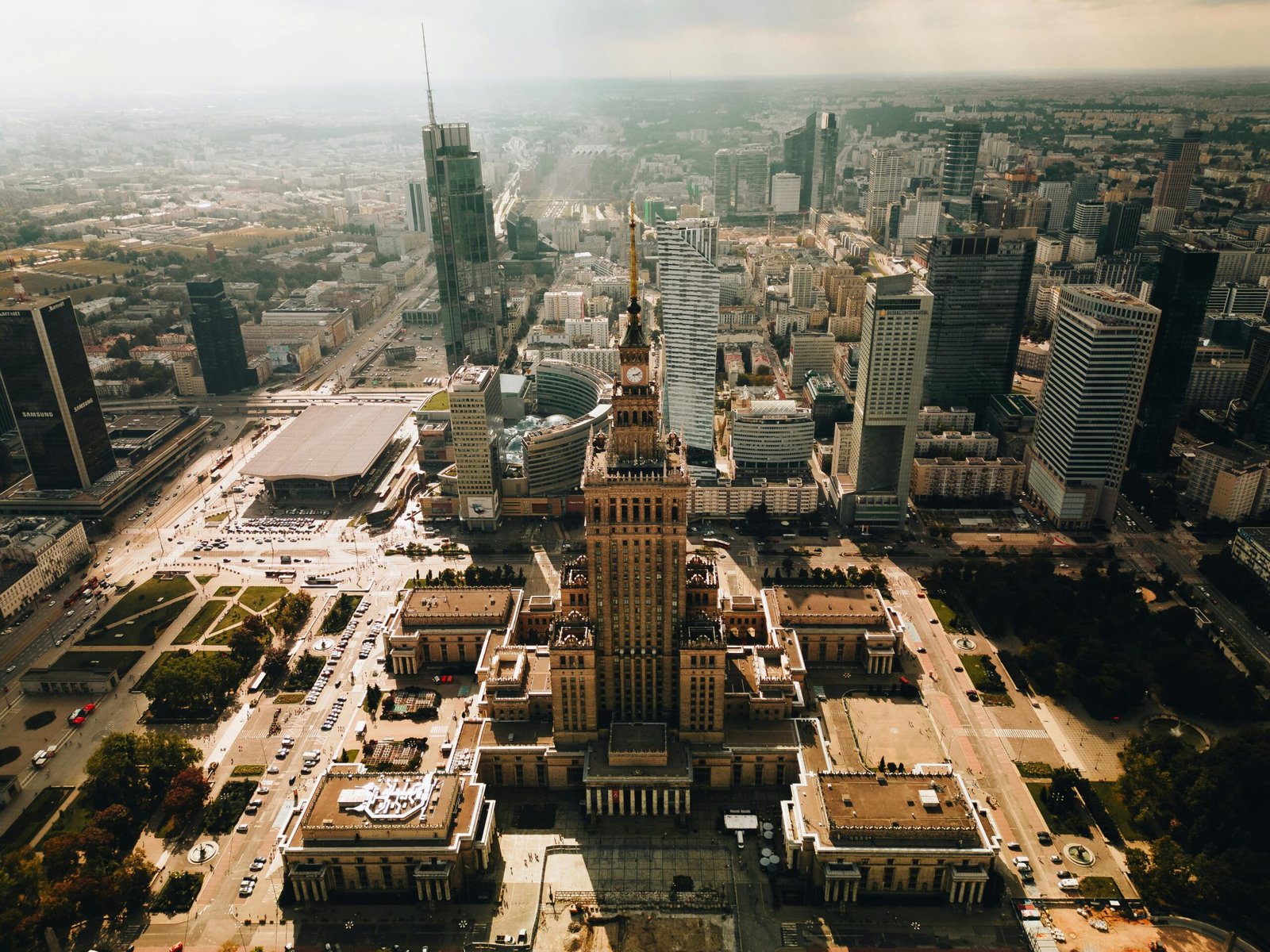
Melbourne is a city of distinct neighborhoods: laneway-packed CBD streets for sightseeing, riverside Southbank for easy access and skyline views, artsy Fitzroy for cafés and street art, and beachside St Kilda for sunsets and a laid-back vibe. For first-time visitors, choosing where to stay in Melbourne is mostly about how you want to spend your days—museums and shopping, food and nightlife, family-friendly parks, or day trips along the coast and wine regions.
This guide breaks down the best areas to stay in Melbourne for first-time visitors, with practical transport advice, budget tips, and curated hotel recommendations across different price points. Ready to compare options? View all hotels on the map to see what’s available in each neighborhood and how close you’ll be to trams, train stations, and Melbourne’s top attractions.
Quick picks: Best areas to stay in Melbourne for first-timers
- Melbourne CBD (Central Business District): Best overall for first-timers—walkable, packed with attractions, easy transport.
- Southbank: Best for modern hotels, dining, the Arts Centre/Melbourne Theatre Company, and riverside strolls.
- Docklands: Best for spacious newer hotels and easy access to Marvel Stadium; quieter at night.
- Fitzroy & Collingwood: Best for local cafés, vintage shopping, breweries, and street art.
- South Yarra & Prahran: Best for boutique shopping, dining, and a more “local” upscale base.
- St Kilda: Best for beach vibes, budget options, and summer sunsets.
Understanding Melbourne’s layout (and why it matters for hotels)
Melbourne’s CBD is built around the Hoddle Grid—an easy-to-navigate rectangle of streets where many first-time visitors spend most of their time. The Yarra River runs along the CBD’s southern edge, with Southbank just across the river. Inner neighborhoods like Fitzroy, Collingwood, and Carlton sit to the north, while South Yarra and Prahran are to the southeast. St Kilda is farther south near the beach, and Docklands is west of the CBD along the waterfront.
For first-time visitors, staying in or near the CBD usually saves time (and transit confusion). But Melbourne’s tram network is excellent, so it’s also easy to base yourself in an inner suburb if you want more neighborhood character.
Best areas to stay in Melbourne (neighborhood-by-neighborhood)
1) Melbourne CBD: Best overall for first-time visitors
If you want to maximize sightseeing with minimal planning, stay in the Melbourne CBD. You’ll be close to Flinders Street Station, Federation Square, the Royal Arcade, Bourke Street Mall, Chinatown, and the laneways that make Melbourne famous (Degraves Street and Centre Place are musts). Many day tours (Great Ocean Road, Phillip Island, Yarra Valley) pick up in or near the CBD, which is a major convenience if you’re short on time.
Who it’s best for: first-timers, short stays, shoppers, museum-goers, travelers relying on public transport.
Watch-outs: Some blocks can be noisy at night (especially near late-night venues). If you’re a light sleeper, ask for a higher floor or a room away from main streets like Swanston or Elizabeth.
Local tip: The CBD is highly walkable, but Melbourne weather can change quickly. Pack a compact umbrella and a light jacket—even in summer.
Best CBD micro-areas
- Near Flinders Street Station/Federation Square: Ideal for transport connections and river walks.
- East End (near Parliament): Slightly quieter, close to theatres and the Fitzroy Gardens.
- Chinatown/Little Bourke Street: Great for dining, lively evenings.
2) Southbank: Best for riverside dining, arts, and modern hotels
Southbank sits across the Yarra River from the CBD and feels more modern—think high-rise hotels, river promenades, and easy access to the Arts Precinct (NGV International, Arts Centre Melbourne, and theatres). It’s a great choice if you like being close to the CBD but prefer a slightly more relaxed base with scenic walks and lots of restaurants.
Who it’s best for: couples, theatre-goers, travelers who want newer hotels, foodies who like strolling to dinner.
Watch-outs: Some areas can feel business-like after hours; if you want a more “neighborhood” feel, Fitzroy or South Yarra may suit better.
Local tip: Walk the riverside from Southbank to the CBD at dusk—city views are especially good around Princes Bridge.
3) Docklands: Best for spacious stays and event access (but quieter)
Docklands is west of the CBD with newer developments, wide promenades, and easy access to Marvel Stadium for concerts and sports. Hotels here often offer bigger rooms and good deals compared to prime CBD locations, which can be a smart move for families or longer stays.
Who it’s best for: families, event-goers, travelers prioritizing room space, people who like newer buildings.
Watch-outs: It can feel quiet at night and less charming than older parts of the city. If you love laneways and café culture, base yourself in the CBD or Fitzroy instead.
Local tip: You’re still connected—free trams and regular services link Docklands to the CBD, especially along La Trobe/Spencer Street corridors.
4) Fitzroy & Collingwood: Best for street art, cafés, and local nightlife
If your idea of Melbourne is espresso, vintage shops, breweries, and street art, head to Fitzroy and Collingwood. Brunswick Street (Fitzroy) and Smith Street (Collingwood) are lined with cafés, bars, and restaurants—from casual dumpling spots to chef-driven dining. This is one of the best areas to stay in Melbourne if you want a more “local” vibe without being far from the city.
Who it’s best for: food lovers, nightlife fans, repeat café stops, travelers who prefer neighborhoods over high-rises.
Watch-outs: Nightlife can mean noise on weekends; choose accommodation on a quieter side street if you’re sensitive to sound.
Local tip: Take a street art wander around Fitzroy (look near Napier Street and Rose Street area), then browse the Rose Street Artists’ Market if you’re visiting on a weekend.
5) South Yarra & Prahran: Best for boutique shopping and an upscale local base
South Yarra and Prahran sit along the train lines southeast of the CBD, making them convenient and well-connected. You’ll find stylish dining, boutique shopping around Chapel Street, and access to the Royal Botanic Gardens nearby. Accommodation here often has a more refined, local feel compared to the CBD’s business hotels.
Who it’s best for: shoppers, couples, longer stays, visitors who want a calmer base with easy CBD access.
Watch-outs: You’ll typically commute into the CBD for major sights (though it’s quick by train/tram).
Local tip: For a classic Melbourne morning, grab coffee and pastries, then stroll toward the Botanic Gardens or along the Yarra trails.
6) St Kilda: Best for beach vibes and budget-friendly stays
St Kilda blends seaside atmosphere with lively dining and bars. It’s a great base in warmer months, with easy tram access into the CBD and a very different energy from the city center. You’ll be close to St Kilda Beach, Luna Park, and the St Kilda Esplanade.
Who it’s best for: beach lovers, summer trips, budget travelers, anyone wanting a break from the CBD buzz.
Watch-outs: It’s not the most central area—expect a longer commute into the CBD (still straightforward by tram). Some streets can get lively late at night on weekends.
Local tip: At sunset, walk toward St Kilda Pier for skyline views back toward Melbourne; keep an eye out for the little penguins (seasonal and conditions-dependent).
Transportation advice for first-time visitors
Melbourne is one of the easiest Australian cities to navigate without a car, especially if you stay in the CBD or nearby inner neighborhoods.
- Free Tram Zone: Within central Melbourne, trams are free in the marked Free Tram Zone. If you stay in the CBD, you can often get around without paying for day-to-day hops.
- myki card: For travel outside the Free Tram Zone (including St Kilda, South Yarra, and many attractions), you’ll typically need a myki card. It works on trains, trams, and buses.
- From Melbourne Airport (MEL): The SkyBus is a common option to Southern Cross Station (CBD edge). From there, it’s a short tram/train/taxi to most hotels. Rideshares and taxis are available but can cost more at peak times.
- Walking: The CBD is highly walkable; pack comfortable shoes for laneway exploring and river walks.
- Late night: If you’re staying in Fitzroy/Collingwood or St Kilda and plan to be out late, check tram schedules or budget for a rideshare back.
Budget tips: How to save on your Melbourne stay
- Stay Sunday–Thursday if possible: weekends can be pricier, especially when there’s a major sports match or event.
- Look at Docklands for better value per square meter—often newer hotels with larger rooms.
- Use the Free Tram Zone strategically: staying in the CBD can reduce transit costs and time.
- Book early for big events (Australian Open, Formula 1, major concerts): prices rise fast across the city.
- Consider aparthotels if you’re staying longer: a kitchenette can cut food costs in a city known for dining temptations.
Recommended hotels in Melbourne (by area and travel style)
Below are reliable options across the best neighborhoods to stay in Melbourne for first-time visitors. Availability and pricing can swing by season and events—use the map to compare quickly. View all hotels on the map.
CBD: Classic city convenience
- Grand Hyatt Melbourne (top-end comfort on Collins Street)
- QT Melbourne (stylish base near laneways and shopping)
Southbank: Riverside and arts precinct access
- The Langham, Melbourne (iconic luxury on the river)
- Crown Metropol (modern high-rise with great facilities)
Docklands: Space and stadium access
- Peppers Docklands (aparthotel-style comfort)
Fitzroy/Collingwood: Café culture and local vibe
- The Cullen Melbourne – Art Series (design-led stay near Chapel Street corridor via transit)
St Kilda: Beach-side energy
- The Prince (boutique favorite with great dining nearby)
Where to stay in Melbourne by itinerary
If you have 2–3 days
Stay in the CBD or Southbank. You’ll minimize transit time and have the biggest concentration of sights, dining, and tour pickup points within easy reach.
If you’re here for food, bars, and street art
Choose Fitzroy or Collingwood. You’ll still be close to the CBD but surrounded by Melbourne’s signature café culture.
If you’re visiting for a match or concert
Docklands is the most convenient for Marvel Stadium. For MCG events, the CBD or East End puts you within easy tram/walk distance.
If you want beaches and a slower pace
St Kilda is your pick—especially in summer. Just factor in the tram ride to reach central attractions.
Final thoughts: Choosing the best place to stay in Melbourne
For most first-time visitors, the best place to stay in Melbourne is the CBD—it’s walkable, transport-rich, and close to the city’s signature laneways, dining, and day-trip pickups. If you want a more scenic, modern feel, Southbank is an excellent alternative. For local café culture, base yourself in Fitzroy or Collingwood; for beach vibes, head to St Kilda; and for value and space, consider Docklands.
Once you’ve chosen your neighborhood, compare prices and exact locations (especially relative to tram stops and stations). View all hotels on the map to find the best match for your dates and travel style.
Recommended Hotels
Grand Hyatt Melbourne
📍 Melbourne CBD (East End / Collins Street)
A polished CBD base on Collins Street that’s ideal for first-time visitors who want walkability and reliable luxury. Great for couples and business-leisure trips, with strong facilities and easy transit connections across the city.
👍 Pros
- + Prime Collins Street location for shopping and theatre district
- + Easy access to trams and a short walk to major CBD sights
- + Consistently high service standards
👎 Cons
- – Premium pricing, especially during major events
- – Some rooms feel more classic than trendy
QT Melbourne
📍 Melbourne CBD (Near laneways / shopping core)
One of the CBD’s most popular lifestyle hotels, perfectly placed for exploring Melbourne’s laneways and restaurants on foot. A strong pick if you want a fashionable stay with a central, walk-everywhere location.
👍 Pros
- + Stylish, design-forward rooms with a fun Melbourne vibe
- + Fantastic location for laneways, dining, and shopping
- + Great base for first-timers who want to be in the action
👎 Cons
- – Rooms can be compact compared to newer high-rise properties
- – Street noise possible on lower floors
The Langham, Melbourne
📍 Southbank (Yarra River)
A Southbank classic known for its refined atmosphere and prime riverfront location. It’s an easy, scenic walk to the CBD and a convenient base for the Arts Precinct and Southbank dining.
👍 Pros
- + Iconic riverside setting with excellent views
- + Easy walk to CBD via the Yarra promenade
- + Ideal for special-occasion trips and theatre nights
👎 Cons
- – Higher nightly rates
- – More classic style than boutique properties
Crown Metropol Melbourne
📍 Southbank (Crown precinct)
A sleek, modern base in Southbank with excellent amenities and an easy route into the CBD. Best for travelers who like having plenty of dining and entertainment options at their doorstep.
👍 Pros
- + Modern high-rise rooms and strong facilities
- + Great for Southbank restaurants and river walks
- + Good option for travelers who want an all-in-one complex nearby
👎 Cons
- – The surrounding precinct can feel busy and commercial
- – Not as boutique/quiet as smaller properties
Peppers Docklands
📍 Docklands
A practical Docklands option that suits families and longer stays thanks to more spacious, apartment-like accommodation. A smart pick if you want value, newer builds, and easy event access.
👍 Pros
- + Often better value for larger rooms/apartment-style layouts
- + Convenient for Marvel Stadium events
- + Good option for longer stays
👎 Cons
- – Docklands can feel quiet at night compared to the CBD
- – Less laneway charm and fewer walk-to attractions
The Cullen Melbourne – Art Series
📍 Prahran (near South Yarra / Chapel Street)
A stylish, art-focused hotel near Chapel Street, ideal if you want a more local, upscale neighborhood feel. Easy to reach the CBD while being surrounded by excellent restaurants and boutiques.
👍 Pros
- + Great base for Chapel Street dining and shopping
- + Well-connected to the CBD via train/tram
- + Boutique feel with design details
👎 Cons
- – Not in the CBD—plan for a commute to major central sights
- – Limited “big hotel” amenities compared with larger complexes
The Prince
📍 St Kilda
A well-regarded boutique stay that’s perfect if you want Melbourne with a beachy edge. It’s close to St Kilda’s best spots and still connected to the city by tram for sightseeing days.
👍 Pros
- + Boutique favorite in a fun, walkable St Kilda location
- + Great access to the beach and tram routes to the CBD
- + Excellent nearby dining scene
👎 Cons
- – Longer commute to CBD attractions than central areas
- – Weekend evenings can be lively in St Kilda
Frequently Asked Questions
What is the best area to stay in Melbourne for first-time visitors?
The Melbourne CBD is the best all-around choice for first-time visitors because it’s walkable, packed with attractions (laneways, shopping, museums nearby), and the easiest place to use public transport. You’ll also be close to common day-tour pickup points for the Great Ocean Road, Phillip Island, and the Yarra Valley.
Is it better to stay in Melbourne CBD or Southbank?
Stay in the CBD if you want maximum convenience, the most dining options within a short walk, and the simplest sightseeing. Choose Southbank if you prefer a more modern hotel scene, riverside walks, and quick access to the Arts Precinct—while still being close enough to walk into the CBD.
Where should I stay in Melbourne without a car?
The CBD is the easiest base without a car thanks to the Free Tram Zone and major train hubs like Flinders Street Station and Southern Cross. Southbank is also excellent, as it’s walkable to the CBD and well-served by trams. If you stay in Fitzroy, South Yarra, or St Kilda, you’ll still be fine—just plan on regular tram/train trips.
What is the Free Tram Zone and does it help tourists?
The Free Tram Zone is a central area of Melbourne where tram rides are free, making it especially helpful for tourists staying in the CBD. It can reduce transport costs and make quick hops between sights easy, but you’ll need a myki card once you travel outside the zone (for example to St Kilda or South Yarra).
Where is the best place to stay in Melbourne for nightlife and restaurants?
For a local nightlife scene and standout food, Fitzroy and Collingwood are top picks—think bars, live music, breweries, and late-night eats. The CBD also offers plenty of options, especially around Chinatown and the laneway bar scene, while Southbank is great for riverside dinners and pre-theatre drinks.
Where to stay in Melbourne on a budget?
For better value, look at Docklands for newer hotels with larger rooms and frequent deals, or consider St Kilda for a mix of budget-friendly accommodation and beach access. In the CBD, prices vary widely—booking early and traveling midweek often gets you better rates, especially outside major event dates.
How do I get from Melbourne Airport to my hotel?
A common option is the SkyBus from Melbourne Airport (MEL) to Southern Cross Station on the edge of the CBD, then a short tram, train, taxi, or rideshare to your hotel. Taxis and rideshares are direct and convenient but typically cost more, especially during peak times.
