

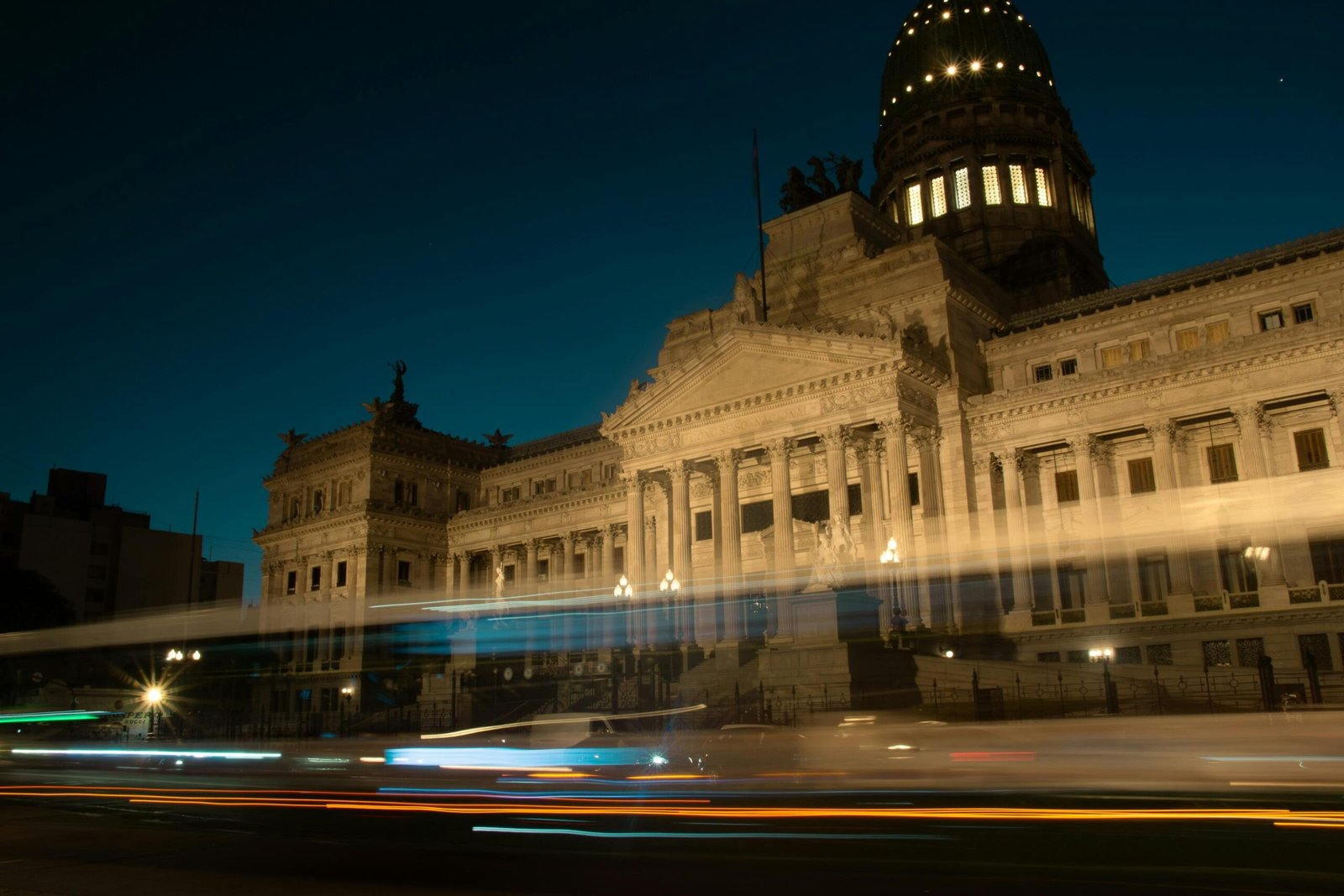
Choosing where to stay in Buenos Aires can make or break a first trip. The city is huge, neighborhood-driven, and wonderfully varied: grand European-style avenues, leafy parks, tango bars, steakhouse-lined streets, and a nightlife scene that starts late and goes even later. The good news is that first-time visitors don’t need to overcomplicate it—pick a base that matches your pace (sightseeing, food and wine, nightlife, or a bit of everything), and Buenos Aires becomes easy to explore.
This guide breaks down the best areas to stay in Buenos Aires for first-time visitors, with practical tips on transportation, safety, and budgets, plus a curated set of hotel recommendations across price points. Ready to compare options? View all hotels on the map (Stay22 embed placeholder) to see what’s available for your dates.
Quick neighborhood cheat sheet (for first-time visitors)
- Palermo: Trendy, green, restaurant-packed; best for foodies and a stylish first stay.
- Recoleta: Elegant, walkable, classic Buenos Aires; best for culture and a calm base.
- Microcentro / Downtown: Close to major sights and transit; best for short stays and early starts.
- San Telmo: Historic, atmospheric, tango vibes; best for boutique stays and weekend markets.
- Puerto Madero: Modern waterfront, polished and quiet; best for families and upscale comfort.
Best areas to stay in Buenos Aires
Palermo (Soho & Hollywood): best for first-timers who want food, nightlife, and parks
If you’re debating where to stay in Buenos Aires for the first time, Palermo is the easiest “safe bet.” It’s large (more like several neighborhoods), but two zones matter most for visitors:
- Palermo Soho: Boutiques, cafes, street art, and an endlessly walkable grid of restaurants and bars.
- Palermo Hollywood: Slightly more residential by day, buzzing by night with cocktail bars and late dinners.
Palermo also places you close to top green spaces like Bosques de Palermo and the Japanese Gardens. For getting around, you’ll rely on Subte Line D (stations like Palermo and Plaza Italia) plus taxis/ride-hails for late nights.
Who should stay here: foodies, couples, friends, anyone who wants a lively neighborhood with plenty to do after dark.
Practical tips: Palermo is generally comfortable for visitors, but petty theft can happen anywhere—keep your phone secure on busy streets and avoid leaving bags hooked on chair backs at cafes.
Recoleta: best for classic Buenos Aires elegance, museums, and easy strolling
Recoleta is often the answer to “where to stay in Buenos Aires if you want something refined and central.” Think leafy avenues, Belle Époque architecture, and a calmer pace than Palermo. You’re close to cultural hits like El Ateneo Grand Splendid (one of the world’s most beautiful bookstores), the Recoleta Cemetery, and several museums.
Recoleta is also great if you like walking: it connects well to Retiro and Downtown, and it’s packed with cafes for a slower Buenos Aires morning (which is the local way). Hotels here range from grand, traditional properties to modern boutiques.
Who should stay here: first-timers who want a quieter base, culture lovers, and travelers who value comfort and walkability.
Practical tips: You’ll likely use taxis/ride-hails to hop to San Telmo or Palermo at night. During the day, walking is easy; just keep an eye on belongings in busy areas.
Microcentro (Downtown): best for sightseeing efficiency and transit connections
Microcentro is the city’s commercial core—busy on weekdays, quieter on weekends. It’s a strategic choice if your priority is to knock out landmarks with minimal commuting: Casa Rosada, Plaza de Mayo, Obelisco, Teatro Colón, and Florida Street shopping are all nearby.
The biggest advantage here is transportation: multiple Subte lines intersect, and you can connect quickly to other parts of the city. The trade-off is ambience—Microcentro feels more “workday city” than neighborhood charm.
Who should stay here: short-stay visitors, business travelers, and first-timers who want maximum proximity to major sights.
Practical tips: Choose a hotel on a well-lit street, and plan evenings in other neighborhoods (Palermo, Recoleta, San Telmo). Weekends can feel unusually quiet in some blocks.
San Telmo: best for history, tango atmosphere, and boutique hotels
San Telmo is the city’s oldest neighborhood—cobblestones, antique stores, wrought-iron balconies, and an artsy, bohemian energy. It’s famous for the Sunday San Telmo Market (Feria de San Telmo), where you’ll find everything from leather goods to vintage prints, plus street performers and tango dancers.
This is a great area for travelers who want Buenos Aires ambiance right outside the door, especially in the evenings when the neighborhood’s wine bars and parrillas come alive.
Who should stay here: travelers who love history, boutique hotels, and a more local, textured feel.
Practical tips: Some streets are quieter late at night. Use ride-hails after dinner if you’re walking far, and pick a hotel with strong reviews for security and staff support.
Puerto Madero: best for modern comfort, waterfront walks, and upscale stays
Puerto Madero is a redeveloped docklands area—sleek towers, wide sidewalks, and a waterfront promenade. It’s clean, modern, and feels more “international” than traditional Buenos Aires. Many hotels here are upscale, with larger rooms and facilities like pools and gyms.
It’s also convenient for scenic walks and easy rides to Downtown and San Telmo. If you’re traveling with family or prefer a quieter, polished environment, Puerto Madero can be a stress-free first base.
Who should stay here: families, luxury travelers, and anyone who wants space and a calmer vibe.
Practical tips: The restaurant scene is more expensive than other neighborhoods. For better value, eat in San Telmo or Palermo and return by taxi/ride-hail.
How to get around Buenos Aires (transportation advice)
Buenos Aires is very navigable once you understand the basics:
- Subte (metro): Fast and inexpensive for daytime sightseeing. It doesn’t reach every neighborhood equally, but it’s useful between Downtown, Recoleta edges, and Palermo (Line D).
- Colectivos (buses): Extensive network and cheap, but routes can be confusing for first-time visitors. Use Google Maps or a local transit app for live guidance.
- Taxis and ride-hailing: Widely used, especially at night. Have your destination pinned on a map and confirm before you go. For airport transfers, prearranged rides can reduce hassle.
- Walking: Ideal in Recoleta, Palermo Soho, and parts of Downtown. Bring comfortable shoes—Buenos Aires blocks are long, and you’ll rack up steps quickly.
Airport note: International flights typically use Ezeiza (EZE), about 45–75 minutes from central neighborhoods depending on traffic. Domestic and some regional flights use Aeroparque (AEP), much closer to Palermo/Recoleta (often 20–35 minutes).
Budget tips for first-time visitors
- Stay slightly off the “headline” streets: In Palermo and Recoleta, hotels one or two blocks away from the busiest corridors can be significantly better value and quieter.
- Book with breakfast included: Buenos Aires mornings start slow; having breakfast on-site helps you maximize sightseeing time.
- Use the Subte in daytime: It’s one of the easiest ways to keep daily costs down without sacrificing time.
- Plan splurges strategically: Do one iconic steakhouse or tango show, then balance with neighborhood parrillas and bodegones (classic local eateries) for excellent value.
- Choose shoulder seasons: Spring (Sep–Nov) and fall (Mar–May) often bring better hotel rates and comfortable weather.
Where to stay in Buenos Aires: hotel recommendations (by neighborhood)
The hotels below are chosen for first-time visitor convenience: strong locations, reliable comfort, and easy access to dining and transportation. For availability and price comparisons by exact address, View all hotels on the map (Stay22 embed placeholder).
Recoleta hotel picks
Alvear Palace Hotel (Recoleta)
An iconic choice for travelers who want classic Buenos Aires glamour in the heart of Recoleta. You’re steps from upscale dining, elegant streets, and a short ride to Downtown highlights.
Palladio Hotel Buenos Aires – MGallery (Recoleta)
A polished luxury option that feels modern and calm, with excellent service standards and a location that works well for first-timers who want Recoleta’s walkability.
Palermo hotel picks
CasaSur Palermo Hotel (Palermo)
A boutique-style base near Palermo’s parks and restaurant scene. It’s a strong “first trip” choice if you want Palermo energy without being in the noisiest blocks.
Fierro Hotel Buenos Aires (Palermo Hollywood)
Well-loved for its boutique feel and easy access to nightlife and dining. A great match if you plan to do late dinners and want a comfortable, stylish return point.
Downtown (Microcentro) hotel pick
NH Buenos Aires City (Microcentro)
Reliable and central, ideal for visitors who want to be close to major landmarks and Subte connections. Great for efficient sightseeing and early tours.
San Telmo hotel pick
Anselmo Buenos Aires, Curio Collection by Hilton (San Telmo)
A character-rich option that puts you in the middle of San Telmo’s historic charm. Perfect for market mornings and tango-tinged evenings.
Puerto Madero hotel pick
Hilton Buenos Aires (Puerto Madero)
A comfortable upscale stay with more space and modern facilities, well-suited for travelers who want a quieter base and easy taxi access to the rest of the city.
Safety and local know-how (quick guidance)
Buenos Aires is a major global city, and most first-time visitors have a smooth trip with basic precautions:
- Keep valuables out of sight in crowded areas and on public transport.
- Use ride-hailing/taxis at night when moving between neighborhoods, especially if streets are quiet.
- Carry what you need for the day, not your entire travel wallet.
- Ask your hotel about the best walking routes after dark—front desks often have the most practical, current advice.
Conclusion: the best place to stay in Buenos Aires for first-timers
If you want one simple answer to where to stay in Buenos Aires, choose Palermo for dining and nightlife or Recoleta for classic elegance and a calmer pace. Prefer maximum landmark efficiency? Go Downtown (Microcentro). For historic atmosphere, pick San Telmo; for modern comfort, choose Puerto Madero.
Whichever neighborhood you choose, the city rewards curiosity—long walks, slow coffees, late dinners, and spontaneous tango moments. When you’re ready to compare prices and exact locations for your dates, View all hotels on the map (Stay22 embed placeholder) and book the base that matches your travel style.
Recommended Hotels
Alvear Palace Hotel
📍 Recoleta
A landmark Recoleta hotel known for old-world elegance, polished service, and a prime location near museums, cafes, and upscale shopping. Ideal for first-time visitors who want a special, quintessential Buenos Aires stay with easy access to central sights.
👍 Pros
- + Iconic luxury property in the heart of Recoleta
- + Excellent service and classic Buenos Aires style
👎 Cons
- – Premium pricing year-round
- – Can feel formal for very casual travelers
Palladio Hotel Buenos Aires – MGallery
📍 Recoleta
A sleek, upscale hotel with the kind of comfort and service that makes a first trip feel easy—quiet rooms, quality amenities, and a location that’s convenient for Recoleta’s highlights. A strong choice if you want luxury without the most traditional styling.
👍 Pros
- + Modern luxury with a calm, comfortable vibe
- + Great base for walking Recoleta and reaching Downtown
👎 Cons
- – Not as “historic” in feel as some classic BA hotels
- – Popular dates book out early
CasaSur Palermo Hotel
📍 Palermo
A reliable boutique base in Palermo with easy access to green spaces and a huge choice of cafes and restaurants. Great for first-timers who want to explore Palermo’s best corners while having a comfortable, well-reviewed place to recharge.
👍 Pros
- + Boutique feel close to parks and top dining
- + Good balance of lively location and comfort
👎 Cons
- – Facilities are smaller than big-chain hotels
- – Some rooms can feel compact
Fierro Hotel Buenos Aires
📍 Palermo Hollywood
A stylish Palermo Hollywood boutique hotel that puts you within easy walking distance of some of Buenos Aires’ best bars and restaurants. Ideal for first-time visitors who plan to do late dinners and want a welcoming, design-forward stay.
👍 Pros
- + Excellent access to Palermo’s nightlife and dining
- + Popular boutique choice with strong guest feedback
👎 Cons
- – Late-night noise possible on weekends (depending on room)
- – Limited on-site facilities compared with large hotels
NH Buenos Aires City
📍 Microcentro (Downtown)
A practical, well-located hotel for travelers who want to sightsee efficiently around Plaza de Mayo, the Obelisk, and Teatro Colón. Best for first-timers prioritizing location and transit access over boutique ambiance.
👍 Pros
- + Very central for major sights and Subte connections
- + Good value for a convenient Downtown base
👎 Cons
- – Area is quieter on weekends
- – Less neighborhood charm than Palermo or San Telmo
Anselmo Buenos Aires, Curio Collection by Hilton
📍 San Telmo
A characterful hotel in the heart of San Telmo, perfect for travelers who want to step into cobblestone streets, antique shops, and tango culture. A great first-visit option if you value ambiance and don’t mind using taxis/ride-hails at night.
👍 Pros
- + Fantastic base for San Telmo’s historic atmosphere
- + Good choice for boutique-style stays with reliable standards
👎 Cons
- – Some surrounding streets can be quiet late at night
- – Less convenient for Subte than Downtown
Hilton Buenos Aires
📍 Puerto Madero
An upscale, modern option in Puerto Madero with the facilities many first-time visitors appreciate—space, comfort, and a calmer environment. Ideal for travelers who want an easy, dependable stay and plan to explore other neighborhoods by taxi.
👍 Pros
- + Modern rooms and facilities with more space
- + Quiet, polished area with easy taxi access to sights
👎 Cons
- – Dining nearby is pricier than other neighborhoods
- – Less traditional Buenos Aires street life
Frequently Asked Questions
What is the best area to stay in Buenos Aires for first-time visitors?
For most first-timers, Palermo or Recoleta are the best choices. Stay in Palermo if you want top restaurants, bars, and a lively atmosphere; choose Recoleta if you prefer a calmer, elegant neighborhood with museums and easy walking. If you’re focused on landmarks and transit connections, Downtown (Microcentro) is the most efficient base.
Is Palermo or Recoleta better for tourists?
Palermo is better for dining, nightlife, and a trendy local vibe (especially Palermo Soho and Palermo Hollywood). Recoleta is better for classic architecture, cultural sights, and a quieter “home base” feel. Many first-time visitors choose Palermo for energy or Recoleta for comfort and strollability.
Where should I avoid staying in Buenos Aires as a first-timer?
First-timers generally have the easiest experience in Palermo, Recoleta, Puerto Madero, and well-located parts of Downtown or San Telmo. It’s smart to avoid booking a hotel on an isolated block far from restaurants and transit, especially if reviews mention poor lighting, street noise, or security concerns. If in doubt, use “View all hotels on the map” to confirm surroundings and walking distances.
What’s the best way to get from EZE or AEP airport to my hotel?
From Ezeiza (EZE), the simplest option is a pre-booked transfer or taxi/ride-hail, as it’s 45–75 minutes from central neighborhoods depending on traffic. From Aeroparque (AEP), taxis/ride-hails are quick and straightforward, often 20–35 minutes to Palermo or Recoleta. If you’re arriving late, pre-arranging a transfer can make the first night much smoother.
Is it easy to get around Buenos Aires without speaking Spanish?
Yes—tourist areas are used to international visitors, and you can navigate with maps and translation apps. In restaurants and hotels, basic English is common, though not guaranteed everywhere. Knowing a few phrases (hola, por favor, gracias) helps, and having your destination pinned on a map is useful for taxis.
How many days should I stay in Buenos Aires, and where should I base myself?
A first visit is best with 4–6 days. Base yourself in Palermo or Recoleta for a balanced experience and do day/evening trips to Downtown, San Telmo, and Puerto Madero. If you only have 2–3 days, staying Downtown (Microcentro) can save time between major sights, with evenings spent in Palermo or San Telmo.
Are Buenos Aires hotels expensive, and how can I save money?
Prices vary widely by season and neighborhood. You can save money by booking in shoulder seasons (spring/fall), choosing a hotel one or two blocks off the main streets, and using the Subte during the day instead of taxis. Another easy win is selecting properties with breakfast included so you can start sightseeing quickly without extra daily costs.
