

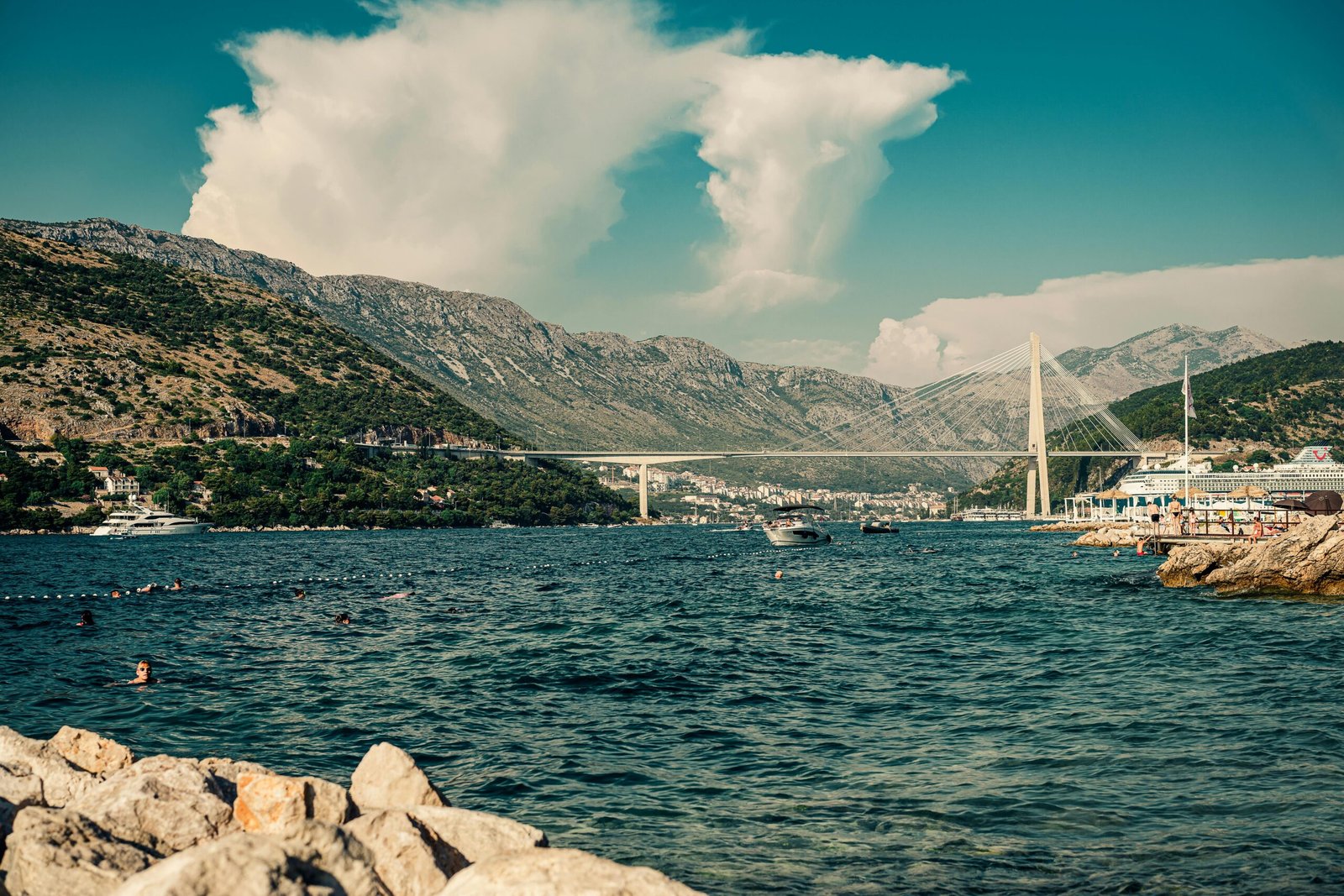
Best places to visit for senniors in Croatia
Croatia is one of Europe’s easiest “big reward, low effort” destinations for seniors: compact distances, walkable historic centers, excellent food, and a coastline that delivers scenery without requiring strenuous hiking. Whether you want relaxed seaside promenades, easy day trips, or a culture-heavy city break with cafés and museums, Croatia fits beautifully.
This guide focuses on destinations that balance comfort, accessibility, and memorable experiences—think flatter old towns, reliable transport, and plenty of places to sit with a coffee and watch the world go by. Each stop includes the best neighborhoods to base yourself, realistic price ranges, and hotel picks—plus direct links to our detailed city hotel guides.
Quick overview (Croatia for seniors)
- Best for: scenic coastal towns, history without long distances, easy island time, and food-and-wine travel
- Best time to go: May–June and September–early October (warm, calmer, better value)
- Days needed: 5 days for a taste (1 region), 10 days for a comfortable multi-stop route
- Top picks: Dubrovnik (classic), Split (day trips), Rovinj (romantic Istria), Zagreb (culture + cafés)
Regional map overview: how Croatia breaks down
Croatia is easiest to plan by region—each with its own pace and transport style.
- Dalmatian Coast (South & Central): Dubrovnik, Split, Hvar, Zadar. Expect dramatic sea views, Roman/medieval sights, ferries, and seaside promenades.
- Istria (Northwest peninsula): Rovinj, Poreč, Umag. A gentler coastline with Italian influence, flatter walking, wine/olive oil country, and shorter drives between towns.
- Inland Croatia: Zagreb. A relaxed capital with museums, parks, café culture, and strong train/coach connections.
Planning note: Seniors often find the smoothest trip by choosing either Dalmatia or Istria (plus Zagreb if flying there), rather than zig-zagging across the country.
Dubrovnik
Angle: best for first-timers who want iconic views with a comfortable base
Dubrovnik is Croatia’s showstopper: honey-colored walls, sea-facing terraces, and easy-to-join guided walks that bring history to life without complex logistics.
The Old Town is largely pedestrian and can be uneven underfoot, so the best senior-friendly approach is to stay just outside the walls for easier access, fewer stairs, and better value—then visit the Old Town at quieter hours.
Why visit Dubrovnik (senior-friendly highlights)
Ride the cable car for panoramic views with minimal effort, take a short boat outing around Lokrum, and enjoy café breaks on Stradun (the main promenade). For a low-stress day, choose a guided Old Town walk that keeps a steady pace and includes plenty of stops.
For gentler evenings, the Lapad Bay promenade is ideal—flat, scenic, and packed with restaurants. If you want the “wow” factor without long climbs, schedule sights early morning or near sunset to avoid heat and crowds.
Best areas to stay
- Lapad: flat promenades, beach access, many hotels, easy buses to Old Town
- Ploče: close to the walls with great views, but can involve steps depending on the property
- Just outside Old Town (Pile gate area): fastest access for tours and dinners, higher prices
Nights to stay: 2–3 nights
Typical price range: €160–€350+ per night (summer), with better deals in May/October
Hotel recommendations (Dubrovnik)
- Luxury: Hotel Dubrovnik Palace (Lapad) – resort feel, sea views, easy taxi access
- Mid-range: Hotel Lero – reliable comfort, convenient to buses/taxis
- Budget: Hotel Ivka – practical base in Lapad with good value
For more neighborhood-by-neighborhood picks and senior-friendly logistics, see our full guide: Where to stay in Dubrovnik.
Split
Angle: best for easy day trips (without changing hotels constantly)
Split combines a lively waterfront with the UNESCO-listed Diocletian’s Palace—one of Europe’s most atmospheric “old towns,” built inside a Roman palace. It’s an ideal base for seniors because you can see a lot with short walks and then take day trips by ferry or small-group tour.
The key is picking the right area: staying along the Riva (waterfront) keeps things flat and close, while hillside neighborhoods can mean daily stair climbs.
Why visit Split (senior-friendly highlights)
Enjoy an easy evening stroll on the Riva, visit the palace in the morning when it’s cooler, and take a seated break on Peristyle Square with a coffee. If mobility is a concern, consider a guided tour that keeps to the smoother routes and explains the palace’s layout.
Split is also a transport hub: ferries to islands, day tours to Krka, and straightforward airport transfers. You can slow the pace and still feel like you’ve “seen Croatia.”
Best areas to stay
- Diocletian’s Palace / Old Town edge: maximum convenience, some cobblestones and occasional steps
- Riva / Waterfront: flat, lively, easy access to taxis and tours
- Bačvice: beachy, gentler walking, good for a quieter stay
Nights to stay: 2–3 nights
Typical price range: €130–€300+ per night (summer)
Hotel recommendations (Split)
- Luxury: Cornaro Hotel – central, polished service, easy access to Old Town
- Mid-range: Hotel Park Split (Bačvice) – classic comfort near the beach
- Budget: Hotel As – simple, good value, best if you’re okay with short taxi rides
Compare the best areas and hotel styles here: Where to stay in Split.
Hvar (Hvar Town)
Angle: best for relaxed island glamour with comfort-first hotels
Hvar is known for yachts and nightlife, but seniors often love it for different reasons: beautiful harbor views, excellent dining, and an easy rhythm of morning sightseeing and afternoon rest.
Choose Hvar Town for the best ferry connections and the most convenient dining and promenade options. Avoid steep hillside lodging if stairs are a concern—Hvar has more elevation than it appears in photos.
Why visit Hvar (senior-friendly highlights)
Take a short boat trip to the Pakleni Islands for calm swims and scenic lunches, or enjoy lavender and olive oil tastings inland with a private driver. The harbor promenade is perfect for gentle walks, and the café culture is strong.
For a low-effort view, pick a hotel with a terrace or sea-facing breakfast. You’ll get the “island magic” without pushing your daily step count.
Best areas to stay
- Hvar Town harbor: easiest for ferries, restaurants, and flat strolls
- Near Amfora / western waterfront: resort comfort, sea views, manageable walks
- Milna (near Hvar Town): quieter bays, best if you plan to taxi to town
Nights to stay: 2 nights (or 3 if you want a true slow pace)
Typical price range: €150–€400+ per night (summer peaks)
Hotel recommendations (Hvar)
- Luxury: Palace Elisabeth, hvar heritage hotel – prime location and classic elegance
- Mid-range: Adriana Hvar Spa Hotel – harbor views and wellness focus
- Budget: Villa Nora Hvar – smaller, well-located, often good value outside peak weeks
See our full neighborhood breakdown and hotel picks: Where to stay in Hvar.
Zadar
Angle: best for an easy, uncrowded coastal city with sunset views
Zadar is a smart senior-friendly alternative to the busier southern coast: a compact Old Town on a peninsula, excellent promenades, and quick access to nearby islands and national parks.
It’s also one of the most comfortable coastal stops for a slower pace—fewer crowds, easy dining, and plenty of benches along the waterfront.
Why visit Zadar (senior-friendly highlights)
Stroll the waterfront to the Sea Organ and Sun Salutation installations (easy, flat walking), then settle in for a long sunset. Zadar’s Old Town is manageable in size, so you can see major sights without feeling rushed.
If you want a light day trip, consider a short ferry to Ugljan or a guided excursion to Plitvice (longer day) while returning to the same hotel at night.
Best areas to stay
- Old Town (Peninsula): walk-everywhere convenience, some cobblestones
- Kolovare: beach promenade, calmer evenings, easy taxi ride to Old Town
- Borik: resort-style hotels and seaside paths, best for relaxation
Nights to stay: 2 nights
Typical price range: €110–€260 per night (summer)
Hotel recommendations (Zadar)
- Luxury: Falkensteiner Hotel & Spa Iadera (Borik area) – spa, comfort, great for a rest day
- Mid-range: Hotel Kolovare – dependable seaside stay near the promenade
- Budget: Hotel Mediteran – simple, good value, easy with taxis
For the best bases and hotel options, read: Where to stay in Zadar.
Zagreb
Angle: best for culture, museums, and café life with minimal logistics
Zagreb is Croatia’s underrated senior-friendly gem: leafy parks, Austro-Hungarian architecture, and a café culture made for unhurried afternoons. It’s also a practical first/last stop if you’re flying into Croatia and want to avoid immediate ferry coordination.
The city center is easy to navigate, with trams that reduce walking and plenty of flat streets—especially in Lower Town.
Why visit Zagreb (senior-friendly highlights)
Start with Ban Jelačić Square, then enjoy the green “Lenuci Horseshoe” parks and museums at a comfortable pace. The Dolac Market is lively in the morning, and the city’s pastry-and-coffee breaks are a daily pleasure.
For views without strain, take the funicular up to the Upper Town (short ride) and explore slowly before descending for dinner in Lower Town.
Best areas to stay
- Lower Town (Donji Grad): flat, tram-connected, best for museums and cafés
- Upper Town edge: charming and historic, but more steps and slopes
- Around Main Train Station: convenient for day trips, solid hotel selection
Nights to stay: 1–2 nights (or 3 if you love museums)
Typical price range: €90–€220 per night
Hotel recommendations (Zagreb)
- Luxury: Esplanade Zagreb Hotel – landmark elegance, central and comfortable
- Mid-range: Hotel Dubrovnik Zagreb – practical location by the main square
- Budget: Hotel Jägerhorn – small, central, great value for the location
Pick the best base for your pace here: Where to stay in Zagreb.
Rovinj
Angle: best for romantic Istria and easy seaside strolling
Rovinj is one of Croatia’s most charming small cities—perfect for seniors who want beauty, good food, and a gentle walking routine. The old town is hilly and cobblestoned, but the waterfront and marina areas are much easier for daily movement.
It’s also an ideal base for Istria’s winery routes and hill towns if you prefer private drivers over self-driving.
Why visit Rovinj (senior-friendly highlights)
Walk the harbor promenade at golden hour, join a short boat trip, and enjoy slow dinners with Istrian truffles, seafood, and local Malvazija wine. The atmosphere is relaxed, with plenty of benches and scenic stops.
If you want the postcard view without the climb, choose accommodation near the marina and visit the old town during cooler hours.
Best areas to stay
- Marina / waterfront: easiest walking, great views, quick access to restaurants
- Old Town: most atmospheric, but expect steps and uneven stone lanes
- Lone Bay (Zlatni Rt area): calm, park access, resort-style comfort
Nights to stay: 2 nights
Typical price range: €120–€320+ per night (summer)
Hotel recommendations (Rovinj)
- Luxury: Grand Park Hotel Rovinj – top-tier comfort near the marina
- Mid-range: Adriatic Hotel by Maistra – stylish, central (check access/steps)
- Budget: Hotel Vila Lili – smaller, good value outside peak weeks
Choose the right base (and avoid steep streets if needed): Where to stay in Rovinj.
Poreč
Angle: best for easy sightseeing, seaside resorts, and low-effort day trips
Poreč is a comfortable Istrian base with a walkable center and a strong “holiday infrastructure”—seafront hotels, promenades, and tour options that don’t require intensive planning.
It’s especially appealing for seniors who like a resort-style stay but still want a historic core within easy reach.
Why visit Poreč (senior-friendly highlights)
The star sight is the UNESCO-listed Euphrasian Basilica, which you can visit without long walks. The old town streets are compact, and the coastal paths are ideal for gentle morning strolls.
Poreč also works well for short, comfortable excursions to Motovun, Grožnjan, and Istrian wineries—often best done with a small-group tour or private driver.
Best areas to stay
- Old Town: close to basilica and restaurants, some cobblestones
- Brulo: quieter, green, easy coastal walking
- Zelena Laguna / Plava Laguna: resort zones with amenities and promenades (short taxi/bus to center)
Nights to stay: 2 nights
Typical price range: €100–€260 per night
Hotel recommendations (Poreč)
- Luxury: Valamar Isabella Island Resort – relaxed, full-service (check boat transfer timing)
- Mid-range: Hotel Parentium Plava Laguna – good comfort in a resort setting
- Budget: Hotel Poreč – straightforward and central for the price
Get the best neighborhood match here: Where to stay in Poreč.
Umag
Angle: best for a quieter Istrian coastline and easy access from Central Europe
Umag sits near Croatia’s northern border and is a calm pick for seniors who want a coastal break without the intensity of larger hotspots. It’s also convenient if you’re arriving by car from Italy, Slovenia, Austria, or Hungary.
The vibe is low-key: seaside walks, simple sightseeing, and an easy base for exploring Istria at your own pace.
Why visit Umag (senior-friendly highlights)
Umag’s waterfront is the main attraction—perfect for gentle strolls and sunset dinners. The old town is small and manageable, and nearby beaches tend to be easier to access than steep cliff coves elsewhere.
If you like day trips, you’re well-positioned for Novigrad, Poreč, and inland wine-and-olive oil routes without long drives.
Best areas to stay
- Old Town / harbor: walkable dining, charming evenings
- Katoro: resort area with paths and facilities, short ride to town
- Savudrija: lighthouse area, peaceful, best with a car/taxis
Nights to stay: 1–2 nights
Typical price range: €90–€220 per night
Hotel recommendations (Umag)
- Luxury: Kempinski Hotel Adriatic Istria Croatia (Savudrija) – resort luxury and sea views
- Mid-range: Hotel Sipar Plava Laguna – modern seaside stay near paths
- Budget: Hotel Umag Plava Laguna (often good deals in shoulder season)
See all the best bases and hotel options: Where to stay in Umag.
Sample itineraries (senior-friendly pacing)
5-day Croatia itinerary (pick one region, keep it easy)
- Day 1: Arrive Split. Easy Riva stroll + early dinner.
- Day 2: Split Old Town + Diocletian’s Palace in the morning. Rest midday. Sunset by the waterfront.
- Day 3: Ferry to Hvar. Harbor promenade + relaxed lunch. Optional short boat trip.
- Day 4: Slow morning in Hvar (spa/terrace). Afternoon return to Split.
- Day 5: Depart from Split (or add a half-day tour if timing allows).
Alternative 5-day (Istria): Base in Rovinj (3 nights) + Poreč (2 nights), with short drives and easy days.
10-day Croatia itinerary (balanced highlights, fewer hotel changes)
- Day 1: Arrive Zagreb. Café afternoon + easy evening stroll.
- Day 2: Zagreb museums/parks + funicular to Upper Town.
- Day 3: Travel to Rovinj (car/transfer). Sunset harbor walk.
- Day 4: Rovinj at leisure + optional short boat outing.
- Day 5: Day trip to Poreč (or move hotels). Basilica + seaside promenade.
- Day 6: Easy coastal day in Umag (overnight) or return to Rovinj.
- Day 7: Fly or travel to Split. Evening on the Riva.
- Day 8: Split sightseeing (morning) + restful afternoon.
- Day 9: Ferry to Hvar for a calm island day.
- Day 10: Depart via Split (or add Dubrovnik if you’re comfortable with a longer travel day).
If Dubrovnik is a must: swap Umag/Poreč days for 2–3 nights in Dubrovnik and fly out of Dubrovnik airport to avoid backtracking.
Best hotels in Croatia by category (quick picks)
These are traveler-favorite styles that work especially well for seniors: elevators, easy access, and reliable service. Availability and prices shift heavily in summer, so booking earlier matters most for Dubrovnik, Split, and Hvar.
Luxury
- Dubrovnik: Hotel Dubrovnik Palace (Lapad) – resort comfort and views
- Split: Cornaro Hotel – central luxury with easy access
- Rovinj: Grand Park Hotel Rovinj – standout service and marina location
Mid-range
- Zagreb: Hotel Dubrovnik Zagreb – unbeatable convenience
- Zadar: Hotel Kolovare – seaside and dependable
- Poreč: Hotel Parentium Plava Laguna – comfortable resort base
Budget
- Dubrovnik: Hotel Ivka – strong value in Lapad
- Zadar: Hotel Mediteran – simple and affordable
- Poreč: Hotel Poreč – good location for the cost
Family-friendly (multi-gen trips)
- Split: Bačvice area hotels – beach access + easy strolls for all ages
- Zadar: Borik resorts – pools, paths, and facilities
- Istria: Zelena/Plava Laguna (Poreč) – resort amenities and calmer pacing
Travel tips for seniors visiting Croatia
Transport: easiest ways to get around
- Between cities: Coaches are frequent and comfortable; private transfers are worth it for door-to-door ease (especially Dubrovnik–Split/Zadar).
- Ferries: Split–Hvar routes are straightforward. Choose earlier sailings for calmer seas, and arrive early for less stress.
- In cities: Taxis and ride apps are widely available in major hubs; Zagreb trams are excellent for reducing walking.
Budget: what to expect
- Shoulder season (May/Sept): great value—often 15–30% less than peak summer for similar hotels.
- Peak summer (July/Aug): higher hotel rates and crowds; plan earlier start times and book hotels with good access.
- Daily comfort budget: Many seniors find €140–€250 per person/day (excluding flights) works well for mid-range hotels, taxis, and guided tours.
Best time to visit (comfort-first)
- May–June: warm but not scorching, greener landscapes, fewer crowds.
- September: sea is still warm, evenings are pleasant, and the pace is calmer.
- October: excellent for Zagreb and Istria; coastal swimming becomes weather-dependent.
Safety and comfort notes
- Footing: Old towns often have polished stone that can be slippery—supportive shoes help.
- Heat: In summer, plan sightseeing early, rest midday, and prioritize shaded promenades.
- Pick hotels carefully: “Sea view” sometimes means stairs. Confirm elevator access and ask about steps from the street.
Conclusion: the best bases (with hotel guides)
For seniors, Croatia is at its best when you slow down: choose one or two regions, stay in comfortable, well-located hotels, and plan one “big sight” per day. For the easiest planning, start with these hotel guides and lock in the neighborhood that matches your mobility and pace:
- Where to stay in Dubrovnik
- Where to stay in Split
- Where to stay in Zagreb
- Where to stay in Zadar
- Where to stay in Poreč
- Where to stay in Rovinj
- Where to stay in Umag
- Where to stay in Hvar
FAQ: Croatia for seniors
Is Croatia a good destination for seniors?
Yes—especially if you travel in May–June or September and choose hotels near promenades or just outside steep old towns. Croatia offers strong sightseeing value without needing long distances each day.
Which Croatian city is easiest to walk around?
Zagreb (Lower Town) is the easiest for flat walking and public transport. On the coast, Zadar and the waterfront areas of Split are comfortable, while some old towns have more uneven stone.
How many days do seniors need in Croatia?
Plan 5 days for one region (Dalmatia or Istria). For a relaxed multi-stop trip with rest days and easy transfers, 10 days is ideal.
Should we rent a car in Croatia?
In Istria, a car can be convenient for short drives between towns, but private transfers also work well. In Dalmatia, many seniors prefer ferries + taxis/tours rather than driving and parking in historic centers.
Are ferries in Croatia senior-friendly?
Generally yes—major routes like Split–Hvar are straightforward. For comfort, travel earlier in the day, arrive early, and pack light so boarding is easier.
What’s the best place to stay for seniors: Old Town or outside?
Often just outside the Old Town is best: easier taxi access, fewer stairs, and quieter nights—while still being close enough to visit daily. This is especially true in Dubrovnik and hilly old towns in Istria.
Is Croatia expensive?
It can be in peak summer in Dubrovnik, Split, and Hvar. For better value, travel in shoulder season and choose mid-range hotels in practical neighborhoods (Lapad in Dubrovnik, Bačvice in Split, marina areas in Rovinj).
Frequently Asked Questions
Is Croatia one of the best places to visit for senniors in Europe?
Yes. Croatia is compact, scenic, and generally easy to plan, with walkable historic centers, good food, and lots of comfortable coastal bases. For the best senior experience, travel in May–June or September and choose hotels in flatter neighborhoods near promenades.
What is the best time to visit Croatia for seniors to avoid crowds and heat?
May–June and September–early October are ideal. You’ll get warm weather, fewer crowds than July/August, and better hotel value—especially in Dubrovnik, Split, and Hvar.
Which Croatian destinations are best for seniors who prefer minimal walking?
Zagreb (Lower Town) is excellent thanks to trams and flat streets. On the coast, Zadar’s waterfront and Split’s Riva area are comfortable choices; in Istria, staying near Rovinj’s marina avoids steep old-town lanes.
How many days in Croatia is enough for seniors?
Five days is enough for one region at an easy pace (Dalmatia or Istria). Ten days is better if you want multiple bases, rest time, and comfortable travel days without rushing.
Are Croatia’s old towns difficult for seniors?
Some can be: expect cobblestones, steps, and polished stone that can be slippery—especially in Dubrovnik and Rovinj’s old town. The workaround is choosing a nearby, easier-access base (Lapad in Dubrovnik; marina area in Rovinj) and visiting the old town during cooler hours.
Is it easy to use ferries in Croatia for seniors?
Main ferry routes like Split–Hvar are generally senior-friendly, but boarding can be busy. Travel earlier in the day for calmer seas, arrive early, and pack light. If mobility is a concern, consider upgrading to more comfortable services where available.
Should seniors stay in Dubrovnik’s Old Town or outside the walls?
Most seniors prefer staying outside the walls (Lapad or the Pile/Ploče edges) for easier taxi access, fewer stairs, and quieter nights—while still being close enough to visit the Old Town daily.
